Thali Price Index — India की simple thali आखिर इतनी महंगी क्यों हो गई?
India की rising food inflation story को एक simple steel thali के जरिए समझिए — dal, roti, gas और vegetables आखिर इतने महंगे क्यों हुए?
— InnaMax News Desk | Economy Feature
Thali price index — 5 साल में एक full thali कितनी महंगी हुई?
एक समय था जब ₹50–60 में roadside dhaba की full thali आ जाती थी।
आज:
- वही thali ₹120–180
- restaurant वाली ₹250+
- delivery app वाली ₹300 cross
…कर चुकी है।
और घर की kitchen?
वहाँ भी कहानी अलग नहीं है।
- Dal थोड़ी महंगी
- Oil थोड़ा ऊपर
- Gas cylinder expensive
- Vegetables unstable
- Milk quietly costlier
Individually देखें तो सब “थोड़ा-थोड़ा” लगता है।
लेकिन जब सब एक steel thali में एक साथ आता है…
तब middle class को असली inflation महसूस होता है।
क्योंकि India में शायद RBI report से ज्यादा honest indicator:
“घर की थाली”
ही है।
एक simple thali के पीछे पूरी economy कैसे काम करती है?
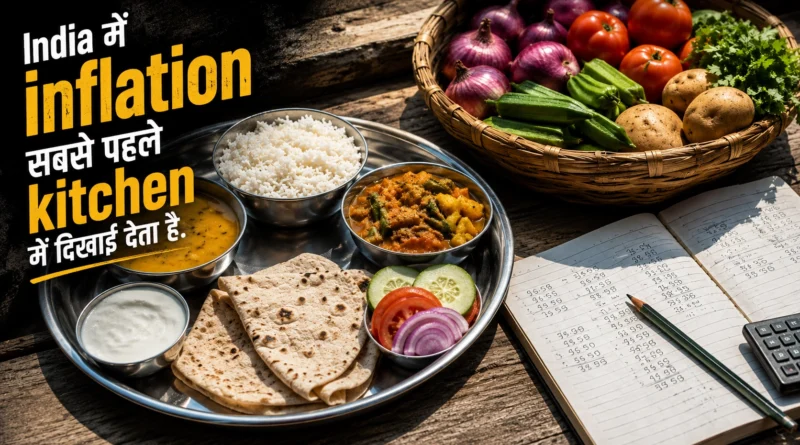
Indian thali simple दिखती है।
लेकिन उसके पीछे पूरी economy खड़ी होती है।
एक basic North Indian thali imagine कीजिए:
- dal
- chawal
- roti
- seasonal sabzi
- achar
- salad
- थोड़ा dahi
Simple लगता है।
लेकिन अब इसे reverse करके देखिए।
हर item के पीछे:
- अलग किसान
- अलग mandi
- अलग transport cost
- अलग weather risk
- अलग storage issue
…छिपा होता है।
UP, Bihar, MP, Maharashtra, Punjab —
अलग-अलग states की farming realities आखिरकार एक ही steel thali में मिलती हैं।
और interesting बात?
Consumer सिर्फ final price देखता है।
लेकिन उस thali तक पहुँचने से पहले…
वह already कई hands, कई roads, और कई hidden costs cross कर चुकी होती है।
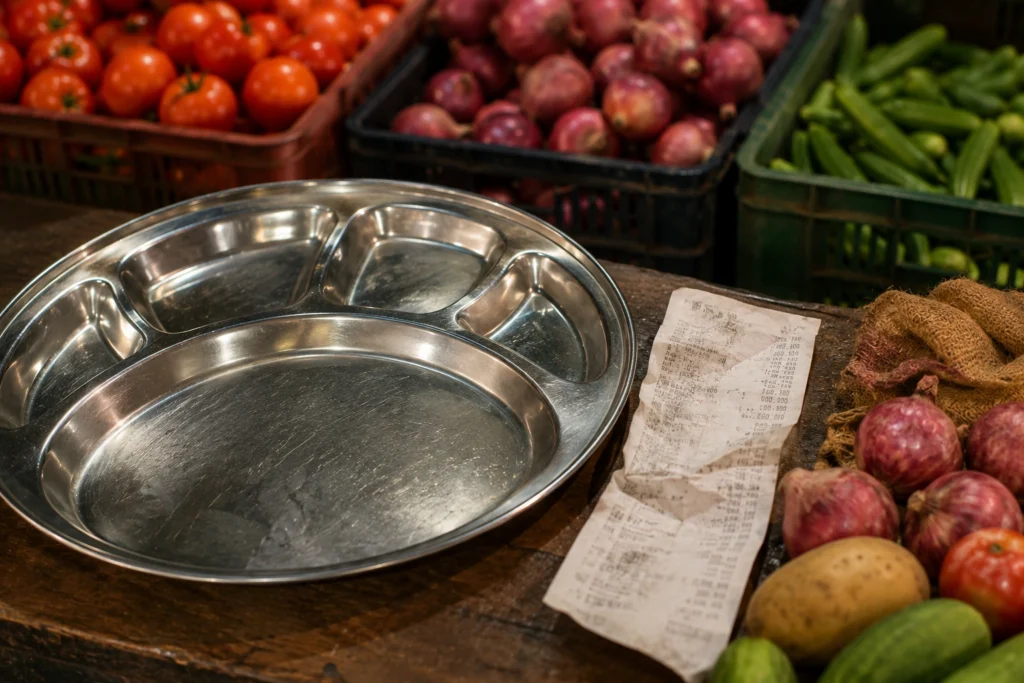
आपकी expensive thali में किसान को आखिर कितना मिलता है?
यहीं सबसे uncomfortable part शुरू होता है।
Example:
- tomato retail ₹60/kg
- farmer को ₹10–18/kg
- dal retail sharply up
- farmer margin फिर भी unstable
क्यों?
क्योंकि farming economics सिर्फ “price” की story नहीं होती।
उसमें:
- diesel
- fertilizer
- transport
- labour
- weather damage
- mandi commission
…सब जुड़ता है।
कई small farmers harvest बेचते वक्त strong bargaining position में नहीं होते।
Especially perishables:
- tomato
- onion
- green vegetables
…ज्यादा देर hold भी नहीं किए जा सकते।
यानी जल्दी बेचने पड़ते हैं।
और यहीं paradox शुरू होता है।
Consumer expensive खरीद रहा होता है…
लेकिन farmer फिर भी financially secure नहीं बन पा रहा होता।
Farmer से thali तक — बीच में कितनी layers जुड़ती हैं?
India की food chain complicated हो जाती है।
Farm → local trader → mandi → wholesaler → transporter → retailer → delivery layer → consumer
हर layer:
- handling cost
- spoilage risk
- storage
- margin
…add करती है।
और fuel prices यहाँ huge role play करते हैं।
अगर diesel expensive:
- truck expensive
- cold storage expensive
- mandi transport expensive
…तो final thali भी expensive।
यानी:
“Petrol price सिर्फ car owner की problem नहीं।”
यह सीधे kitchen तक आता है।
Varanasi जैसे शहरों में कई small eateries अब openly बोलते हैं कि:
- cooking oil cost
- LPG refill
- delivery commission
…ने margins squeeze कर दिए हैं।
इसलिए:
- quantity छोटी
- salad कम
- free papad बंद
- combo redesign
…जैसी silent changes दिख रही हैं।
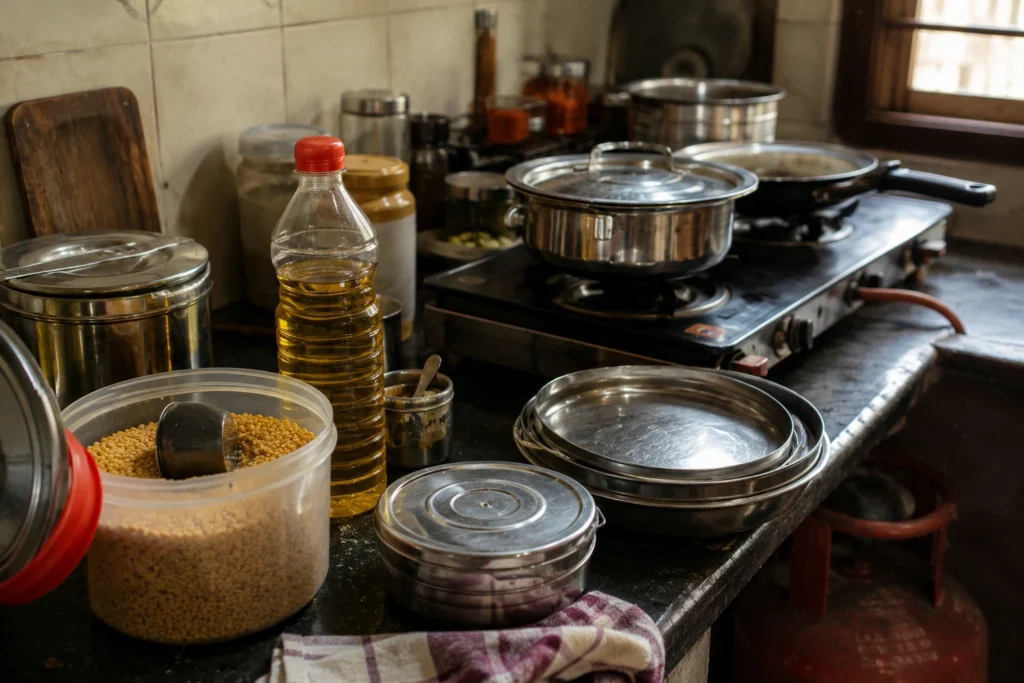
आखिर आपकी thali इतनी expensive क्यों लगने लगी?
क्योंक्योंकि last mile सबसे visible layer होती है।
Restaurant owner सिर्फ food cost नहीं pay करता।
उसके ऊपर:
- rent
- electricity
- staff salary
- GST
- packaging
- online app commission
…सब जुड़ता है।
Delivery app era ने convenience बढ़ाई।
लेकिन उसी के साथ hidden cost भी quietly बढ़ती गई।
अब वही thali:
- dine-in price
- takeaway price
- delivery price
…तीन अलग realities बन चुकी हैं।
और urban India में शायद सबसे invisible expense है:
“time.”
घर में खाना बनाना आज भी cheaper हो सकता है।
लेकिन working households के लिए वह हमेशा practical नहीं होता।
यानी कई लोग सिर्फ food के लिए नहीं…
time बचाने के लिए भी extra pay कर रहे होते हैं।
एक basic ghar ki thali — पहले vs अब
(Approx urban household comparison)
| 🍽️ Item | ⏳ पहले | 📈 अब |
|---|---|---|
| 2 Roti | ₹4–5 | ₹8–10 |
| Dal Bowl | ₹10–12 | ₹20–28 |
| Rice Portion | ₹8–10 | ₹15–18 |
| Seasonal Sabzi | ₹12–15 | ₹25–35 |
| Dahi + Salad | ₹8–10 | ₹15–20 |
| Cooking Gas + Oil Share | ₹5–7 | ₹12–18 |
| Estimated Total | ₹50–60 | ₹120–180 |
Prices vary by city, ingredient quality, fuel cost, and eating format.
और शायद यही वजह है कि middle class inflation को सबसे पहले kitchen में महसूस करता है।
क्योंकि salaries धीरे बढ़ीं।
लेकिन thali… quietly बहुत तेज़ महंगी हो गई।
यह सिर्फ खाने की नहीं… पूरे household pressure की कहानी है
India में food हमेशा emotional subject रहा है।
लेकिन अब वह increasingly:
- economic reality
- political discussion
- class anxiety
…भी बन चुका है।
क्योंकि एक simple thali सिर्फ पेट नहीं भरती।
वह household pressure भी reveal करती है।
और शायद इसलिए India में inflation सबसे पहले kitchen में महसूस होता है।
Sensex बाद में समझ आता है।
Tomato पहले समझ आता है
यह भी पढ़ें:
— दूध का दाम — Dairy Farmer की कहानी
— ₹30 की Plate Golgappa, ₹500 की Kamai
— Dal इतनी महंगी क्यों — किसान से थाली तक
— आम का Export India करता है, Risk Kisan लेता है
— ₹20 का बनारसी पान — ₹5 किसका, और बाकी पैसा कहाँ जाता है?
आपके शहर में आज एक proper thali कितने की पड़ती है?
घर, dhaba, restaurant या delivery app —
आपकी daily food reality क्या कहती है?
Comment में बताइए।