India में “Brain Rot” — GenZ की Attention Crisis कितनी Serious है
Short-form content ने हमारा attention quietly बदल दिया है। Brain Rot कोई trend नहीं — India में GenZ की real attention crisis है, जो focus, productivity और mental clarity को directly impact कर रही है।
आपने कभी यह notice किया है?
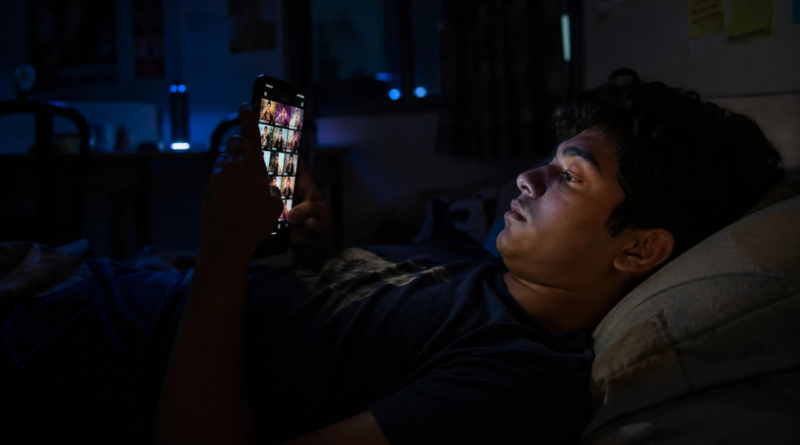
एक 2 minute का video देखा। खत्म होते ही next आ गया। फिर next। फिर next।
आधा घंटा बीत गया — लेकिन याद नहीं कि क्या देखा।
या कोई book उठाई। तीन paragraphs पढ़े। Phone उठाया। Book वापस रखी।
या meeting में हैं — और दिमाग कहीं और है।
इसी को कहते हैं Brain Rot।
Oxford University Press ने Brain Rot को 2024 का Word of the Year declare किया था।
और 2026 में यह सिर्फ एक trendy word नहीं रहा —
यह India के young professionals और students की real, measurable problem बन गई है।
Problem — Brain Rot क्या है
Brain Rot कोई medical diagnosis नहीं है।
यह एक colloquial term है — जो describe करता है कि excessive short-form content consumption की वजह से
attention span, focus, और mental clarity gradually कम होने लगती है।
आसान भाषा में —
जब आप इतना ज़्यादा fast, bite-sized content consume करते हैं कि आपका brain
slow, deep, sustained thinking करना भूल जाता है।
India में यह problem तेज़ी से बढ़ रही है।
भारत दुनिया में सबसे ज़्यादा short-form video content consume करने वाले देशों में से एक है।
Average Indian user रोज़ 4–5 घंटे phone पर बिताता है।
Reels, Shorts, TikTok-style content —
यह format brain को एक specific rhythm पर train कर देता है:
Fast। Next। Fast। Next।
और जब कुछ slow आता है —
एक article, एक lecture, एक long conversation —
brain resist करता है।
Cause — यह क्यों होता है
यह सिर्फ laziness नहीं है।
इसके पीछे real neuroscience है।
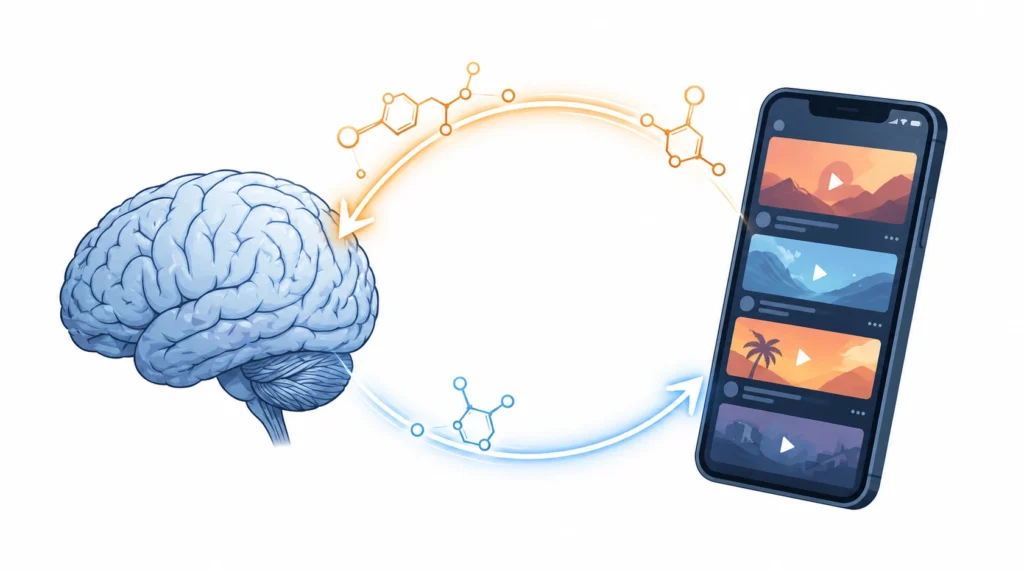
Dopamine loop:
हर बार जब आप एक satisfying reel देखते हैं —
brain dopamine release करता है।
यह वही chemical है जो pleasure और reward से जुड़ा है।
Short-form content इस loop को artificially fast कर देता है।
Brain को हर 15–30 seconds में एक dopamine hit मिलती है।
जब आप कोई long article पढ़ते हैं या deep काम करते हैं —
वो dopamine hit delayed होती है।
और brain — जो अब fast hits का आदी हो गया है —
उस delay को tolerate नहीं कर पाता।
Algorithm का role:
India में YouTube, Instagram, और Snapchat के algorithms
specifically इस loop को maximize करने के लिए design किए गए हैं।
आपको engage रखना उनका business model है —
आपकी mental health उनकी priority नहीं।
GenZ सबसे ज़्यादा vulnerable क्यों:
जिन लोगों का brain अभी develop हो रहा है —
13 से 25 साल की उम्र में —
उनके लिए यह exposure सबसे ज़्यादा impactful होता है।
Prefrontal cortex — जो focus, planning, और delayed gratification के लिए ज़िम्मेदार है —
इस age में fully develop होता है।
इसी phase में अगर brain को constant fast stimulation मिले —
तो development affect होती है।
Impact — इसका असर क्या है
Academic performance:
India के educators एक common pattern notice कर रहे हैं —
students increasingly struggle कर रहे हैं long-form reading के साथ।
Textbook पढ़ने में, exam में extended writing, lectures follow करने में।
यह attitude problem नहीं है।
यह attention problem है।
Workplace productivity:
India के young professionals में deep work —
यानी बिना distraction के एक काम पर लंबे समय तक focus करना —
increasingly rare हो रही है।
एक study के अनुसार average knowledge worker हर 3 minutes में task switch करता है।
और task switch करने के बाद full focus वापस आने में 23 minutes लगते हैं।
Calculate करें — एक दिन में कितना productive time actually बचता है।
Mental health:
Brain Rot सिर्फ productivity का issue नहीं है।
Constant stimulation की need —
और उसके बिना restlessness feel करना —
anxiety और low-grade boredom intolerance से directly linked है।
जो लोग अकेले 5 मिनट बिना phone के बैठ नहीं सकते —
यह discomfort एक signal है।
Relationships:
Conversations में present रहना — genuinely सुनना, बिना phone देखे —
यह skill भी affect हो रही है।
Relationships में depth कम होती है
जब दोनों लोग constantly half-present हों।
Solution — क्या सच में काम करता है
यहाँ honest बात करना ज़रूरी है।
“Phone बंद करो” — यह advice काम नहीं करती।
Impractical है। और guilt create करती है — जो problem को और बढ़ाती है।
जो काम करता है —
वो है intentional consumption और brain को slowly retrain करना।
एक — Friction add करें, ban नहीं:
Phone को bedroom से बाहर रखें — alarm clock अलग लें।
Social media apps को home screen से हटाएँ।
Search करके खोलना पड़े —
यह छोटा friction काफी है।
Studies show करती हैं कि यह single change
usage 20–30% reduce करती है।
दो — Deep work का एक slot रोज़:
सुबह पहले 45–60 minutes —
कोई phone नहीं, कोई notification नहीं — सिर्फ एक काम।
यह habit build होने में 3–4 हफ्ते लगते हैं।
पहले uncomfortable लगता है।
फिर यही slot दिन का सबसे productive हिस्सा बन जाता है।
तीन — Long-form content को schedule करें:
हफ्ते में एक book chapter, long article, या podcast —
जिसे actively सुनें या पढ़ें।
यह brain को slow, sustained processing का practice देता है।
जैसे gym में muscle build होती है —
यह attention का gym है।
चार — Boredom को allow करें:
Queue में हैं — phone मत खोलें।
5 मिनट बस खड़े रहें।
यह uncomfortable लगेगा पहले।
लेकिन boredom brain का default mode network activate करता है —
जहाँ creativity और problem-solving होती है।
यही वो state है जहाँ best ideas आते हैं।
पाँच — Consumption को audit करें:
एक हफ्ते के लिए Screen Time / Digital Wellbeing देखें।
Numbers देखें — honestly।
फिर decide करें —
आपका attention कहाँ जाना चाहिए।

एक Line में समझिए
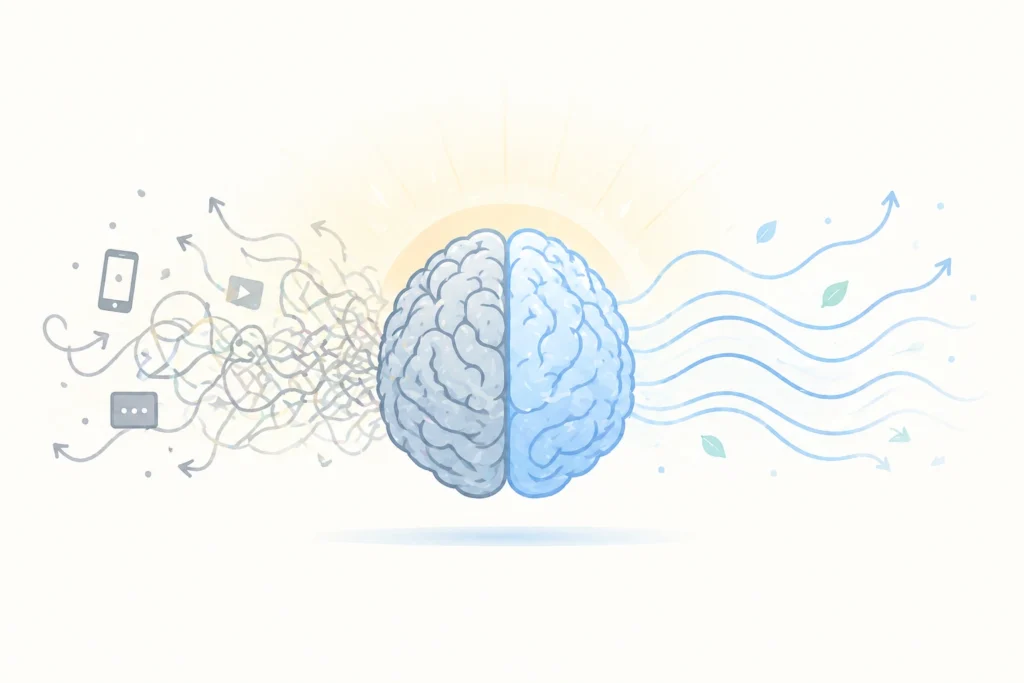
Brain Rot real है — लेकिन irreversible नहीं है।
Brain plastic है — यह बदल सकता है।
लेकिन उसके लिए intentional effort चाहिए।
Algorithm आपका attention चाहता है —
आपको decide करना है कि आप उसे कितना देंगे।
यह भी पढ़ें:
— Soft Life Trend India — GenZ Work Culture