₹30 की Plate Golgappa, ₹500 की Kamai — Street Food Economics को समझिए
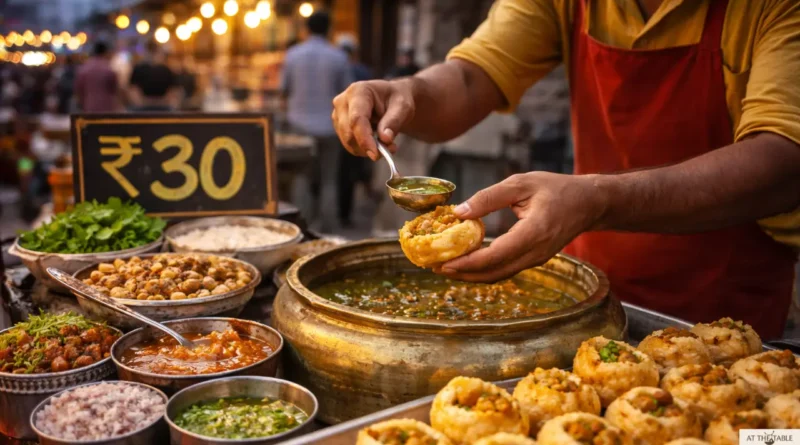
अगली बार जब आप ₹30 की plate golgappa खाएं, तो यह सोचिएगा — vendor को इसमें कितना profit हो रहा है?
Street food sirf taste की बात नहीं है। Yeh पूरा economics है। Ek chhoti si plate के पीछे supply chain है, daily struggle है, और एक पूरा business model है जो India की economy का invisible engine है।
आइए समझते हैं — उस ₹30 की plate golgappa में asli paisa कहां जाता है।
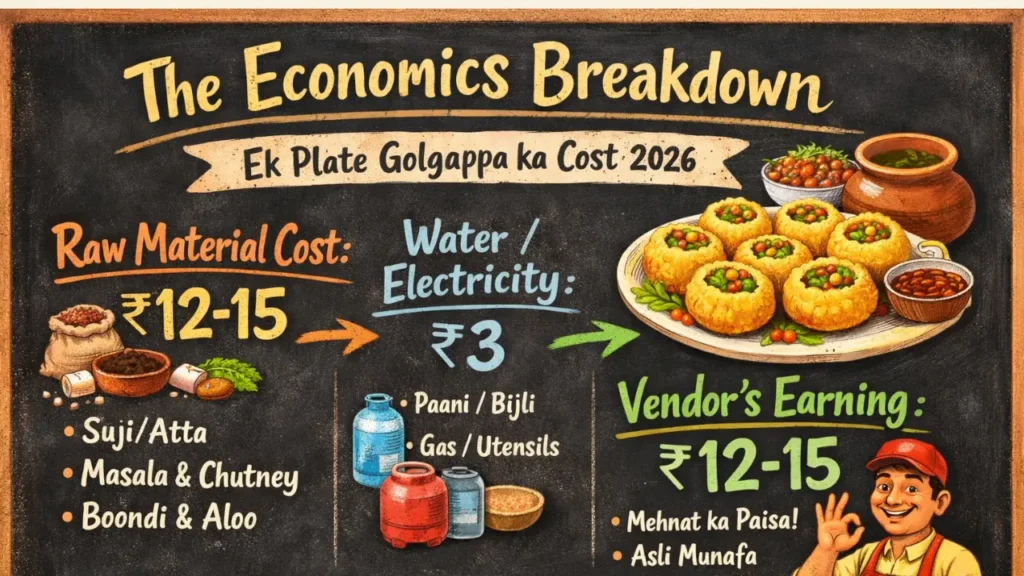
Ek Plate Golgappa का Real Cost Breakdown
जब आप ₹30 देते हैं एक plate (6-7 pieces) golgappa के लिए, तो यह पैसा distribute होता है इस तरह:
Raw Material Cost: ₹12-15
- Suji/Atta for puris: ₹4-5
- Spices aur masala: ₹3
- Imli, pudina, चटनी ingredients: ₹3-4
- Boondi: ₹2
Operational Cost: ₹3-5
- Daily thela rent (if applicable): ₹100-150 per day = ₹1.5-2 per plate
- Paani, bijli, gas: ₹1-1.5
- Plastic plates, झाड़ू-पोछा, सफाई: ₹0.5-1
Vendor की Actual Earning: ₹10-12 per plate
लेकिन यह profit तब है जब सब कुछ smooth चल रहा हो। Reality में bahut complications हैं।
The Math That Changes Everything
Ek typical golgappa vendor अगर busy location पर है, तो:
Good Day (शाम 5-10 बजे):
- 70-90 plates बेचता है = ₹2,100-2,700 revenue
- इसमें से raw material cost निकालो = ₹1,000-1,350 खर्च
- Operational cost: ₹250-350
- बचा profit = ₹700-900
लेकिन:
- Thela rent/hafta: ₹150-200 daily (कुछ locations पर)
- Transport/commute: ₹80-100
- License/permissions (जहां लागू हो): Monthly ₹3000-6000 = ₹100-200 daily
- बारिश, गर्मी, सर्दी के दिन business कम = औसत income गिरती है
Monthly Reality:
- 25-26 working days
- Average ₹500-600 per day (good + bad days combined)
- Monthly income: ₹12,500 – ₹15,500
यह वो income है जो 10-12 घंटे daily खड़े रहने के बाद मिलती है।
Subah 6 Baje की Preparation Nobody Sees
Street food economics का सबसे छुपा हुआ हिस्सा है — invisible labor।
Ek golgappa vendor का दिन शुरू होता है सुबह 6 बजे:
- Wholesale market जाना — fresh ingredients लेने
- Puris बनाना/fry करना — 400-500 pieces daily
- चटनी preparation — इमली, पुदीना, मसाला grinding
- Thela setup और सफाई — 1-2 घंटे लगते हैं
- Transport और location पर पहुंचना — traffic, parking, सब मैनेज करना
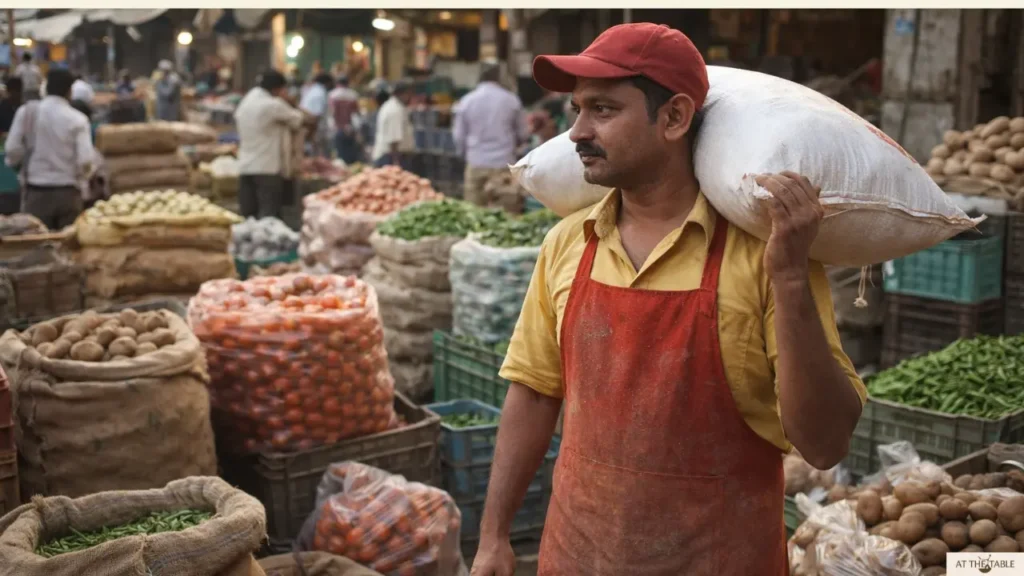
शाम 5 बजे business शुरू होने से पहले पूरे 10-11 घंटे की मेहनत हो चुकी होती है।
और यह सब एक ही इंसान करता है — कोई team नहीं, कोई automation नहीं।
Competition जो दिखता नहीं
आजकल street food vendors की सबसे बड़ी challenge क्या है?
1. Cloud Kitchens और Apps: Zomato-Swiggy पर अब “gourmet golgappa” ₹200-250 में मिलता है। Same vendor को compete करना पड़ता है उस perception से कि “cheap = कम quality.”
2. Raw Material Price का Uncertainty: Atta का rate एक महीने में ₹8-12/kg बढ़ जाता है, लेकिन golgappa price वही रहती है ₹30। क्यों? क्योंकि customer को suddenly ₹40 charge करो तो वो दूसरी गाड़ी पर चला जाता है।
3. Location Wars: Prime locations पर hafta बढ़ता रहता है। एक successful vendor को देख कर 2-3 और आ जाते हैं same spot पर। Competition doubles, earnings halve.
Economics Behind Different Street Foods
यह sirf golgappa की story नहीं है। हर street food item का अपना economics है:
Chaat (₹40-60):
- Profit margin: 50-60%
- क्यों? आलू, दही, sev — सब cheap ingredients
- Volume ज्यादा बेचनी पड़ती है
Vada Pav (₹20-25):
- Profit margin: 35-40%
- Mumbai में institution है, competition कम
- Fast turnover = volume game
Momos (₹50-80):
- Profit margin: 55-65%
- अच्छा profit, लेकिन preparation time भी ज्यादा
- GenZ audience = consistent demand
Kulfi (₹30-40):
- Profit margin: 45-55%, लेकिन seasonal
- गर्मी में boom, सर्दी में zero
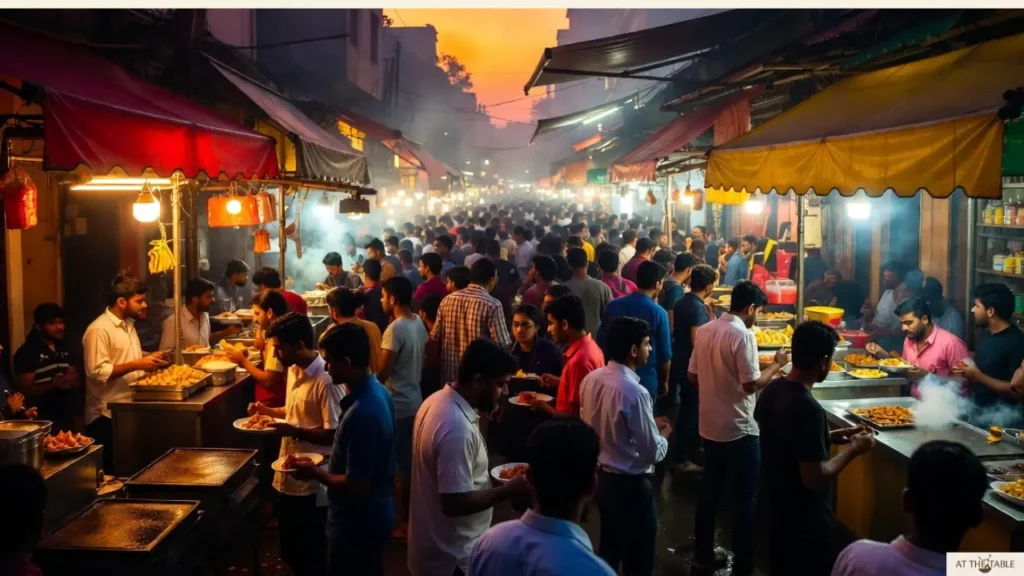
हर item के पीछे अलग strategy है।
The Ecosystem जो Economy चलाती है
Street food economics एक isolated business नहीं है। यह एक पूरा ecosystem है:
1. Supplier Network:
- छोटे wholesalers जो सिर्फ vendors को supply करते हैं
- Timing-specific system — subah 5-7 बजे delivery
- Cash-based, relationship-driven business
2. Equipment Manufacturers:
- Thela, gas stove, containers — local fabricators
- Micro-manufacturing industry जो sirf street vendors के लिए काम करती है
3. Informal Credit System:
- Vendor आपस में उधारी देते हैं raw material की
- Supplier monthly payment accept करता है trustworthy vendors से
- कोई bank involved नहीं — pure trust-based economy
यह informal network India की GDP में add होता है, लेकिन कभी measure नहीं होता।
The Question Nobody Asks
अगर profit सिर्फ ₹500-600 daily है, तो vendor क्यों करता है यह काम?
Answer 1: Freedom “मेरा मालिक मैं हूं। 9-5 job में boss की सुननी पड़ती थी। यहां अपनी मर्जी से खोलता-बंद करता हूं।” — Raju, Golgappa vendor, Connaught Place, Delhi
Answer 2: Scaling Potential Successful vendors eventually:
- दो thelas खोलते हैं (family members operate)
- Steady location मिल जाए तो permanent shop convert हो जाती है
- Catering orders लेना शुरू करते हैं
Answer 3: Low Investment Entry ₹20,000-30,000 में business शुरू हो सकता है। कोई loan, कोई investor नहीं चाहिए। आज शुरू किया, कल से kamai शुरू।
What’s Changing — Good aur Bad
Good Changes:
- Digital Payments: PhonePe/GPay acceptance से daily calculation आसान हुई Cash handling का risk कम हुआ GenZ customers को convenience मिली
- Social Media: Instagram reels से overnight fame मिल सकता है “Delhi’s Best Golgappa” tag viral होने से footfall 3x हो जाता है
Bad Changes:
- Raw Material Inflation: सरकारी data में retail inflation 5-6% दिखता है लेकिन street vendors को 18-22% महंगाई महसूस होती है
- Administrative Pressure: “Cleanliness drive” के नाम पर thelas उठाए जाते हैं Fines बढ़ते रहते हैं, stability घटती है
- Health Regulations (Upcoming): FSSAI licensing अब street vendors तक आ रही है Compliance cost बढ़ेगी, छोटे vendors के लिए burden
The Real Takeaway
अगली बार जब आप ₹30 की plate golgappa लें, तो समझिए:
✅ Vendor को ₹10-12 मिल रहा है (not ₹30)
✅ उसके 10-12 घंटे की मेहनत है उसमें
✅ वो compete कर रहा है inflation, competition, aur regulation से
✅ फिर भी वो quality maintain कर रहा है, क्योंकि uski reputation hi uska brand है
Street food economics India की resilience की कहानी है।
यह उन लाखों लोगों की कहानी है जो:
- बिना MBA किए business चलाते हैं
- बिना funding लिए scale करते हैं
- बिना marketing budget के brand बनाते हैं
और सबसे important: बिना शोर किए — economy को चलाते रहते हैं।
क्या आपने कभी सोचा?
अगली बार street food खाते वक्त थोड़ा रुकिए। Vendor से बात कीजिए। उसकी story सुनिए।
क्योंकि हर plate के पीछे एक पूरा economics है — जिसे हम taste तो करते हैं, लेकिन समझते नहीं।
और हां — tip देना मत भूलिएगा। वो ₹10 extra, vendor के लिए बहुत मायने रखता है।