
‘Soft Life’ Trend India में — GenZ का काम से मोहभंग, या एक ज़रूरी बदलाव?


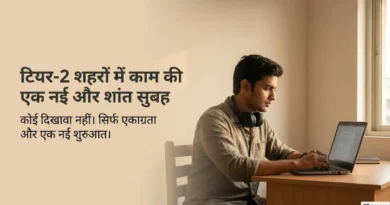
Rohan 24 साल का है। Delhi में एक startup में काम करता है। Salary ठीक है। Growth है।
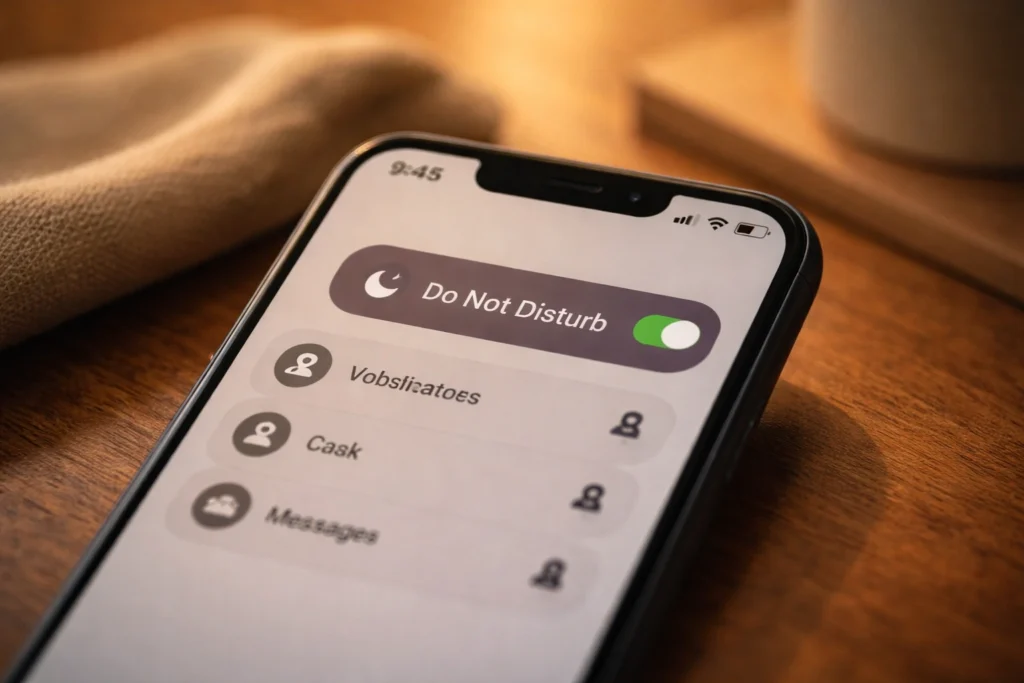
लेकिन पिछले महीने उसने एक decision लिया — Sunday को phone off रहेगा। Client calls नहीं। Slack नहीं। Email नहीं।
उसके manager ने कहा — “Commitment issue है।”
Rohan ने कहा — “Boundary है।”
यह conversation India के लाखों offices में किसी न किसी form में हो रही है। और इसके पीछे एक trend है जिसे दुनिया भर में “Soft Life” कहा जा रहा है।
India में soft life trend धीरे-धीरे GenZ work culture को redefine कर रहा है।
Soft Life है क्या?
Soft Life कोई laziness नहीं है। यह एक conscious choice है — कि जीवन में सिर्फ productivity नहीं होगी।
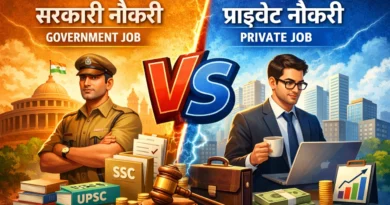
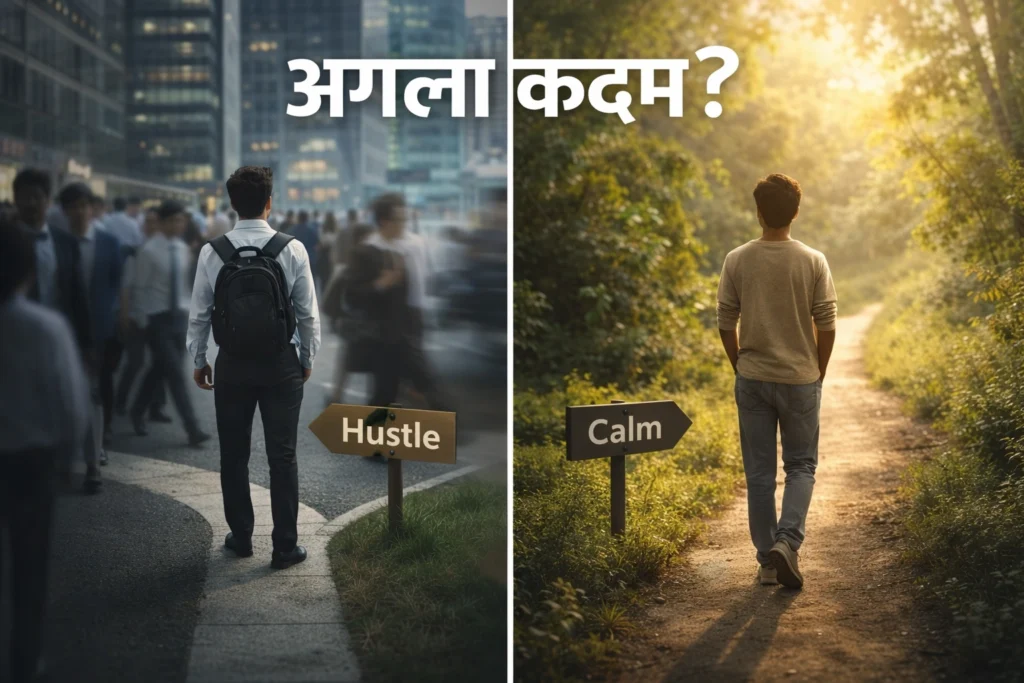
Hustle culture कहता था — grind करो, sacrifice करो, result आएगा। 18 घंटे काम करो। Sleep को weakness मानो। Vacation guilt feel कराए।
Soft Life कहता है — नहीं।
Rest productive है। Boundaries ज़रूरी हैं। Mental health को काम से ऊपर रखना weakness नहीं है।
यह trend पहले West में आया। लेकिन अब India के Tier 1 और Tier 2 शहरों में GenZ के बीच clearly दिख रहा है।
Problem कहाँ से आई — Hustle Culture का टूटना
2010s का India एक particular narrative पर चला — “कुछ बड़ा करना है तो sacrifice करो।”
Startup founders रात को 2 बजे तक काम करते थे — और यह badge of honor था। “I’ll sleep when I’m dead” एक aspirational statement था। Burnout को dedication का proof माना जाता था।
GenZ ने यह सब देखा। और फिर अपने seniors को देखा — जिन्होंने grind किया, sacrifice किया, और 10 साल बाद exhausted हैं। Promotion मिला, लेकिन health गई। Salary बढ़ी, लेकिन relationships टूटे।
GenZ ने एक सवाल पूछा — “यह trade-off worth है?”
जवाब उनका — “नहीं।”
India में यह कैसे दिखता है
Quiet quitting — technically present हैं, लेकिन सिर्फ job description तक। Extra effort वो voluntarily नहीं देंगे जब तक उसकी value acknowledge न हो।
Work from home को छोड़ने से इनकार — office return mandate आया, resignations बढ़े। GenZ के लिए flexibility non-negotiable है।
“Lazy girl job” trend — high-paying, low-stress, remote jobs को actively prefer करना। Ambition को redefine करना।
No after-hours communication — WhatsApp groups mute हैं। Calls after 7 PM नहीं उठाए जाते।
Mental health days — बिना explanation के leave लेना। “मुझे आराम चाहिए” एक valid reason है।
जो लोग इसे गलत समझते हैं
Soft Life को misread किया जाता है — laziness की तरह।
लेकिन data अलग बात कहता है।
WHO के अनुसार burnout एक occupational phenomenon है जिसे अब formally recognize किया गया है। India में workplace stress और anxiety के cases पिछले पांच सालों में significantly बढ़े हैं।
GenZ सबसे educated generation है। सबसे aware भी। वो यह नहीं कह रहे कि काम नहीं करेंगे — वो कह रहे हैं कि काम उनकी पूरी identity नहीं होगा।
यह rebellion नहीं है। यह recalibration है।
दूसरी side — जो concerns valid हैं
यह trend सिर्फ एक side की story नहीं है।
India की economic reality अभी भी ऐसी है जहाँ बहुत से लोगों के पास Soft Life choose करने का luxury नहीं है। First-generation professionals जिनके घर की ज़िम्मेदारी है — उनके लिए boundaries set करना उतना simple नहीं।
और कुछ cases में Soft Life genuinely disengagement है — जहाँ कोई growth नहीं चाहता, accountability नहीं चाहता।
Boundary और avoidance के बीच एक line है। वो line हर इंसान को खुद खींचनी होती है।

तो यह trend कहाँ जाएगा?
Employers जो इसे समझेंगे — वो better talent retain करेंगे। जो नहीं समझेंगे — attrition बढ़ेगा।
India का workplace culture एक shift में है। Slow, लेकिन real।
Soft Life एक trend से culture बन रहा है — कम से कम उस generation के लिए जो अब workforce में आ रही है।
और शायद यह ज़रूरी भी है।
क्योंकि एक generation जो खुद को exhaust करके काम करे — वो long-term में न खुद के लिए अच्छी है, न economy के लिए।
Did You Know
LinkedIn के 2026 Workplace Survey में India के 67% GenZ professionals ने कहा कि वो किसी job offer में work-life balance को salary से ज़्यादा prioritize करते हैं।
यह भी पढ़ें:
— Loud Leaving trend India workplace
— Remote Work India 2026 — hype या सच
— Gig Economy India — Freelancer Reality