
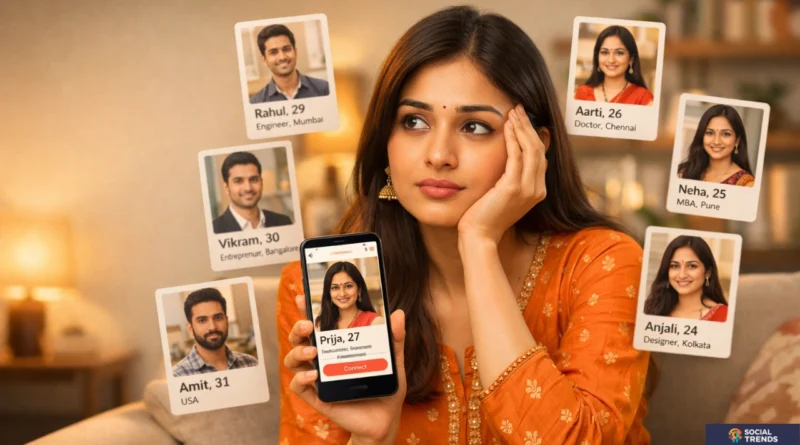
Arranged Marriage Apps in India — Swipe Culture ने Shaadi को कैसे बदला?

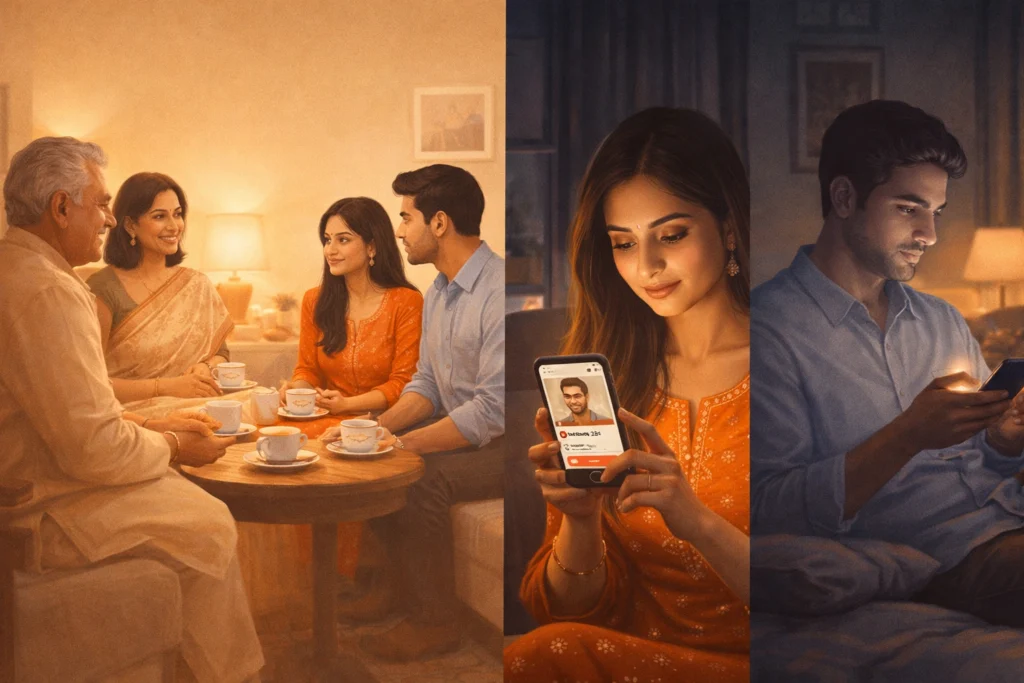
आपके parents ने shaadi के लिए शायद किसी rishtedaar का phone नंबर लिया था।
आप एक app खोलते हैं और 200 profiles scroll करते हैं।
दोनों arranged marriage हैं। लेकिन दोनों में ज़मीन-आसमान का फ़र्क है।
India में matrimonial apps का market ₹5,000 करोड़ के आसपास estimate किया जाता है। Jeevansaathi, Shaadi.com, BharatMatrimony, Aisle — करोड़ों लोग इन्हें use कर रहे हैं।
लेकिन क्या यह apps सच में better matches बना रहे हैं?
या यह swipe culture ने shaadi के decision को और complicated बना दिया है?
यह question सिर्फ romantic नहीं है। यह deeply psychological है।
Problem — Infinite Choice का Paradox
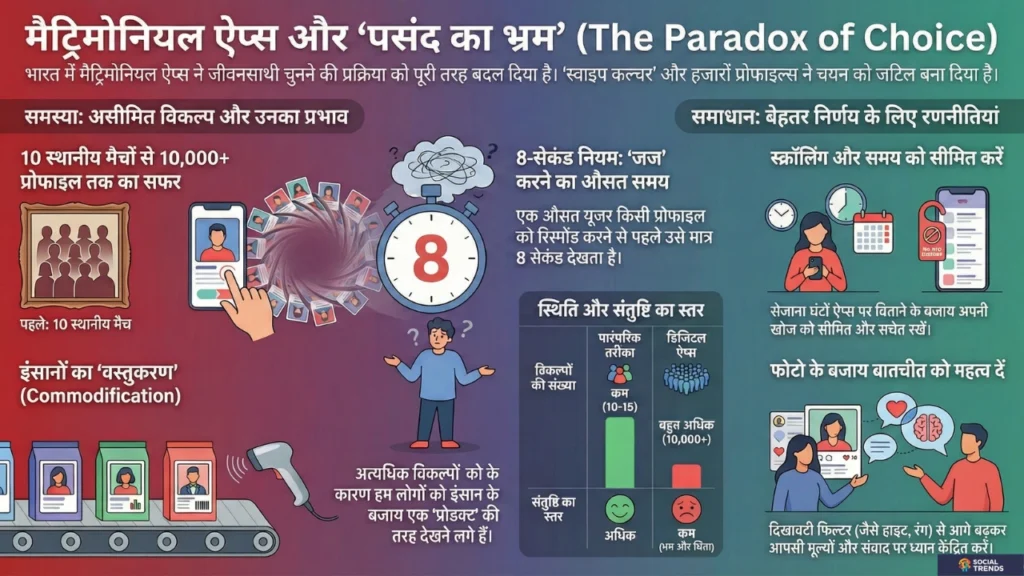
Psychologist Barry Schwartz ने एक concept दिया था — Paradox of Choice।
मतलब — ज़्यादा options, ज़्यादा confusion और ultimately उतना कम satisfaction मिलता है जो भी choose करो।
Matrimonial apps ने यही किया है India की shaadi process के साथ।
पहले एक शहर में 10-15 eligible matches होते थे। अब एक app पर 10,000 profiles हैं। Brain उस scale के लिए designed नहीं है।
नतीजा — लोग endlessly scroll करते रहते हैं। “Abhi aur better mil sakta hai” की feeling कभी जाती नहीं। Decisions delay होते हैं। Commitment anxiety बढ़ती है।
यही reason है कि India में shaadi की average age consistently बढ़ रही है — और matrimonial apps का use भी बढ़ रहा है। दोनों साथ साथ।

Cause — Swipe Culture ने Mindset कैसे बदला
Dating apps जैसे Tinder ने एक specific behavior pattern train किया है India के young users में — judge fast, move on faster।
यह pattern अब matrimonial apps पर भी आ गया है। लोग profile की पहली photo देखकर decision ले रहे हैं। Height, skin tone, salary — यह filters पहले set होते हैं। बाकी सब बाद में।
इसका एक और psychological effect है — commodification। जब आप 50 profiles एक घंटे में scroll करते हैं — हर profile एक product जैसी लगने लगती है। इंसान कम, option ज़्यादा।
Did you know — कुछ reports के अनुसार, average user किसी profile को कुछ seconds ही देता है — लगभग उतना ही जितना एक LinkedIn post को।
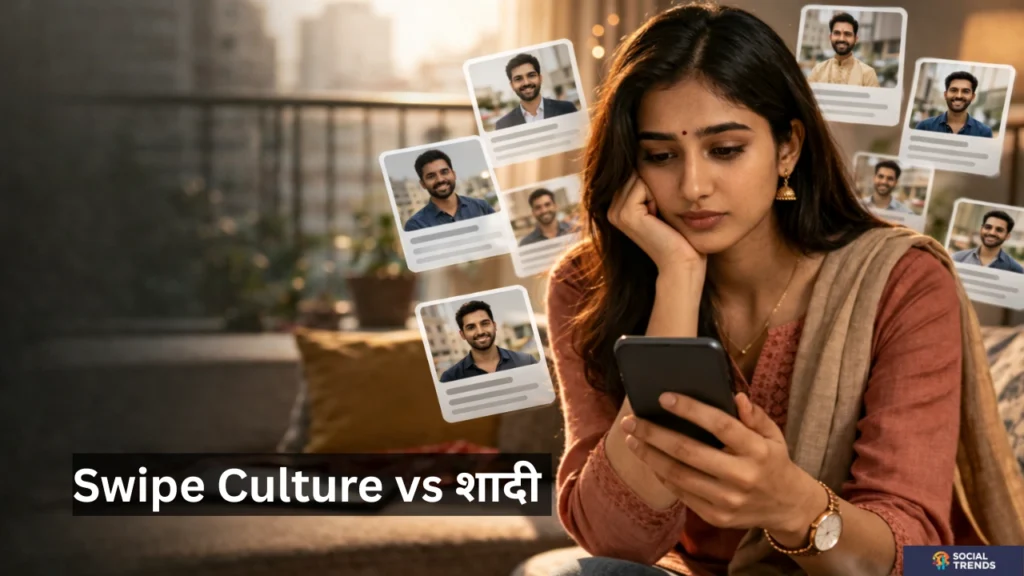
Impact — Families और Individuals पर क्या असर हुआ
कई लोग months तक apps पर रहते हैं — लेकिन clarity नहीं मिलती।
यह सिर्फ delay नहीं है — यह emotional exhaustion है।
Families के लिए यह confusing time है। Parents चाहते हैं कि बच्चा खुद choose करे — लेकिन वो process समझ नहीं आती। App पर होने वाली conversations उनसे hide होती हैं। Trust का gap बढ़ता है।
Individuals के लिए — especially women के लिए — यह apps एक double-edged sword हैं। एक तरफ agency मिली है — अब वो खुद profiles देख सकती हैं, reject कर सकती हैं। दूसरी तरफ unsolicited messages, superficial judgments, और constant appearance-based evaluation एक new kind of pressure है।
Men के लिए भी challenge है। Matrimonial apps पर competition बहुत ज़्यादा है। Rejection normalize हो गई है — लेकिन repeated rejection का psychological toll real है।
और एक बड़ा impact — shaadi को लेकर cynicism बढ़ रही है। जो लोग apps पर लंबे time से हैं वो often यह कहते हैं — “Sab dikhavaa hai। Real life mein koi aisa nahi hota।”
Solution — क्या कोई Practical बीच का रास्ता है
Rule 1 — 2 घंटे scroll करने से बेहतर है 2 meaningful conversations करना।
Technology को blame करना आसान है। लेकिन यह apps जा नहीं रहीं — और इन्हें use करना बंद करना practical नहीं है।
तो beech का रास्ता क्या है?
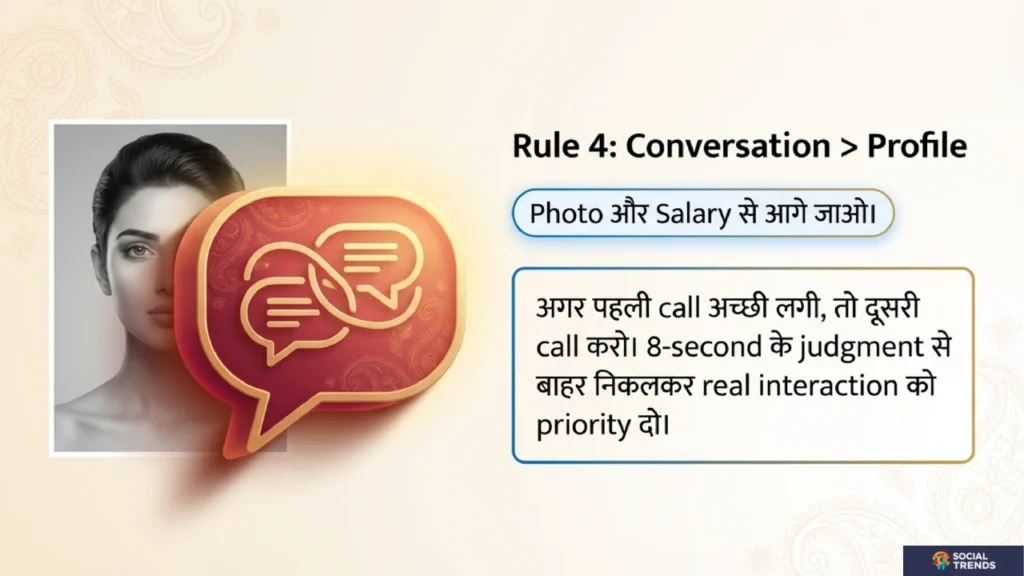
पहला — Profile से ज़्यादा conversation को time दो। अगर पहली call अच्छी लगी — दूसरी करो। Photo aur salary se aage jao.
दूसरा — Filters reasonable रखो। Skin tone aur exact height filters — यह आपकी choices को unnecessarily narrow करते हैं। जो चीज़ें actually matter करती हैं — values, communication style, family dynamics — वो किसी filter में नहीं आतीं।
तीसरा — App पर जो time दे रहे हो उसे consciously limit करो। रोज़ 2 घंटे scrolling — यह decision fatigue बनाता है। हफ्ते में 3-4 meaningful conversations better हैं।
चौथा — Families को loop में रखो — लेकिन decision अपना रखो। Transparency trust बनाती है। और जब families process समझती हैं — pressure कम होता है।
Swipe Culture — एक ज़रूरी आख़िरी बात
Arranged marriage apps ने process को democratize किया है — यह सच है। अब caste, region, और rishtedaaron का network single deciding factor नहीं है।
लेकिन infinite scroll ने एक नई problem दी है — हम इंसानों को options की तरह treat करने लगे हैं।
Shaadi एक life decision है। और कोई भी life decision 8 seconds की profile viewing से नहीं होना चाहिए।
Apps tool हैं।
लेकिन life decisions tools से नहीं — clarity से होते हैं।
📩 हर हफ़्ते एक idea — जो काम आए
Innamax का weekly LinkedIn Newsletter — हर Sunday।
Subscribe on LinkedIn →FAQs — Arranged Marriage Apps & Swipe Culture
क्या matrimonial apps पर algorithm आपकी choice को control करता है?
हाँ, partially। Apps आपके clicks, likes और filters के आधार पर profiles दिखाते हैं। इसका मतलब — आप जो देखते हैं, वो हमेशा “best” नहीं बल्कि “predicted preference” होता है।
क्या paid membership लेने से better matches मिलते हैं?
Visibility और access बढ़ता है — लेकिन better match guarantee नहीं होता। Paid plans process को fast कर सकते हैं, outcome को नहीं।
Long-term compatibility app पर कैसे judge करें?
Profile से नहीं। Patterns से — communication consistency, conflict handling, values alignment। ये चीज़ें time और interaction से ही दिखती हैं।
क्या matrimonial apps पर ghosting common है?
हाँ, और बढ़ रहा है। क्योंकि options ज़्यादा हैं, लोग closure देने के बजाय silently move on कर जाते हैं — इसे personal लेना हमेशा सही नहीं होता।
कितने समय तक app use करना healthy माना जाता है?
Open-ended usage unhealthy हो सकता है। 2–3 महीने focused search + breaks लेना better approach माना जाता है, बजाय endless scrolling के।
यह भी पढ़ें:
→ Indian men mental health feelings India
→ Shaadi ki umra India delay generation 2026
→ FOMO culture India social media comparison
→ India ladkon par ghar ka pressure shaadi naukri
→ Marriage Apps India — शादी को Confusing बना दिया