
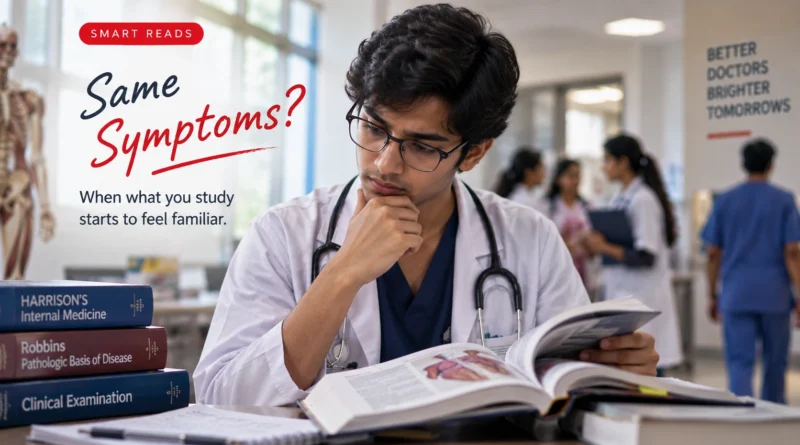
Medical Students को पढ़ी हुई बीमारी अपने अंदर क्यों दिखने लगती है? Third Year Syndrome समझिए
Medical college में एक दिलचस्प मोड़ तब आता है जब किताब में पढ़े गए symptoms सिर्फ किताब के नहीं रह जाते।
सीने में हल्का दर्द हुआ तो किसी disease का symptom याद आ सकता है। पेशाब में जलन हुई तो पढ़ी हुई condition दिमाग में आ सकती है। शरीर में कोई unusual sensation हुई तो medical terminology अचानक सामने आ सकती है।
इसी तरह के experience को medical-college की बातचीत में “Third Year Syndrome” जैसे मजाकिया नाम से पुकारा जाता है।
लेकिन यहां एक distinction जरूरी है। Third Year Syndrome कोई formal medical diagnosis नहीं है। InnaMax News से बातचीत में Dr. Pankaj Srivastava ने इसे medical education और clinical exposure के दौरान सामने आने वाले एक student experience के रूप में समझाया।
असल कहानी इस नाम से ज्यादा दिलचस्प है।
यह उस बदलाव की कहानी है जिसमें medical student अपने शरीर को सामान्य sensations की जगह medical knowledge की vocabulary से भी देखना शुरू करता है।
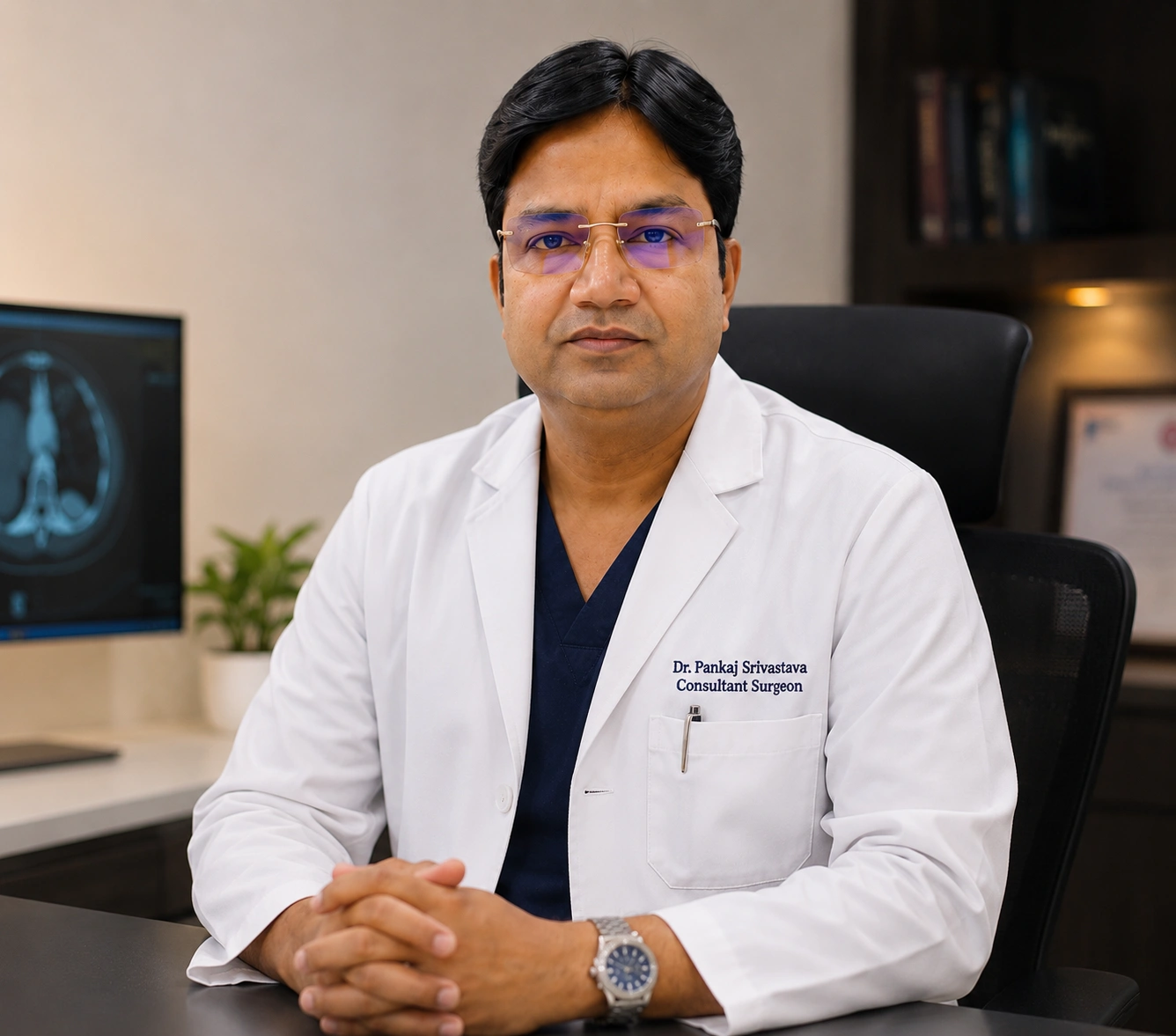
Dr. Pankaj Srivastava
बातचीत में Dr. Pankaj Srivastava ने बताया कि medical students में clinical exposure और disease knowledge के साथ अपने शरीर में दिखने वाले symptoms को लेकर एक अलग तरह की awareness विकसित हो सकती है। Medical-college में इसी अनुभव को informal तौर पर “Third Year Syndrome” कहा जाता है।
किताब में पढ़ा symptom अचानक अपना क्यों लगने लगता है?
Medical education की शुरुआत में student का focus मुख्य रूप से शरीर को समझने पर होता है।
Anatomy body की structure समझाती है। Physiology बताती है कि body काम कैसे करती है। आगे pathology, pharmacology और microbiology जैसे subjects बीमारी और उसके mechanisms की language से परिचित कराते हैं।
फिर clinical exposure आता है।
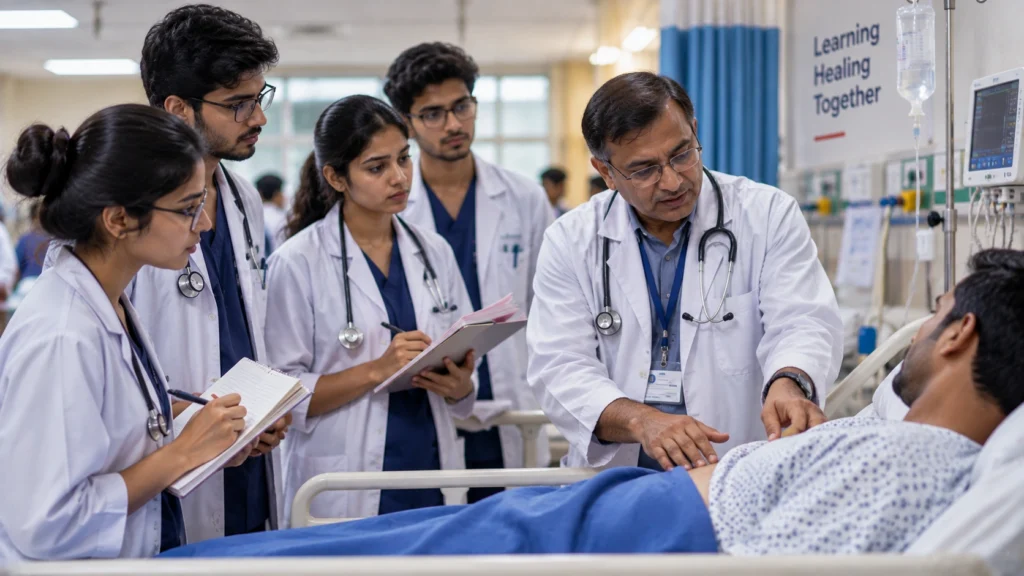
Patient की history सुनना, symptoms समझना और signs को देखना textbook की information को पहली बार एक real human situation से जोड़ देता है।
Dr. Pankaj ने बातचीत में इसी बदलाव को Third Year Syndrome के संदर्भ में समझाया। उनके अनुसार, clinical symptoms और signs को देखना-सुनना शुरू करने के बाद students कभी-कभी उन्हीं sensations को अपने भीतर भी पहचानने लगते हैं।
यानी बात सिर्फ बीमारी पढ़ लेने की नहीं है।
अब student के पास अपने शरीर में होने वाली किसी sensation को medical context में रखने की भाषा भी है।
Patient में देखा symptom अपने शरीर में क्यों notice होने लगता है?
इस experience को समझाने के लिए Dr. Pankaj ने बेहद everyday examples दिए।
किसी patient में chest pain देखकर student को अपना पुराना chest pain याद आ सकता है। किसी को urinary burning की शिकायत सुनकर वह सोच सकता है कि ऐसा symptom उसे भी कभी हुआ था। बातचीत में उन्होंने इसी तरह के examples देते हुए बताया कि students अपने experiences को पढ़े हुए symptoms से match करने लग सकते हैं।
यहां एक और चीज महत्वपूर्ण है—clinical learning सिर्फ किताब पढ़ने से पूरी नहीं होती।
Dr. Pankaj ने pulse का उदाहरण देते हुए समझाया कि किसी clinical finding को theory में जानना और उसे patient पर practically feel करना अलग अनुभव हैं।
जब यह practical experience जुड़ता है, तो disease के symptoms और signs ज्यादा concrete हो जाते हैं।
और उसी process में student अपने शरीर की sensations को भी पहले से ज्यादा पहचान सकता है।
‘Third Year Syndrome’ में Third Year अब कितना relevant है?
यहीं इस term की सबसे दिलचस्प बात सामने आती है।
“Third Year Syndrome” का नाम उस पुराने medical-college pattern से जुड़ा है जिसमें students का पहला substantial ward exposure traditionally third year में माना जाता था।
Dr. Pankaj ने भी बातचीत में इसी पुराने pattern को बताते हुए कहा कि पहले students third year में पहली बार ward duty और direct patient interaction के करीब आते थे।
लेकिन उसी बातचीत में उन्होंने एक जरूरी update भी दिया—अब NMC ने first year से ही hospital duty शुरू कर दी है।
इसलिए आज के MBBS student के लिए “Third Year Syndrome” को strictly third year की घटना मानना ठीक नहीं होगा।
NMC के undergraduate medical education framework में Early Clinical Exposure को शुरुआती medical education का हिस्सा बनाया गया है, ताकि basic sciences को patient और clinical context से जोड़ा जा सके।
यानी नाम third year का रह गया हो, लेकिन clinical exposure का दरवाजा पहले खुल सकता है।
क्या doctors ने इस experience को पहले भी notice किया है?
“Third Year Syndrome” के करीब का broader concept medical literature में “Medical Student Syndrome” या “Medical Students’ Disease” जैसे terms के साथ मिलता है।
कुछ research में medical students के बीच अपने symptoms को उन illnesses से जोड़ने की tendency और health-related concerns पर चर्चा की गई है। एक Indian study ने medical students में health anxiety और illness attribution को examine किया था.
लेकिन research को एक simple conclusion में बदलना भी ठीक नहीं होगा।
एक अलग study ने medical students और comparison groups के बीच hypochondriacal help-seeking behaviour में significant difference नहीं पाया और conventional “Medical Student Syndrome” की धारणा के लिए evidence को limited बताया।
इसलिए दो बातें साथ-साथ समझनी जरूरी हैं:
हर medical student ऐसा experience नहीं करता।
और यह भी जरूरी नहीं कि clinical education अपने आप किसी student में illness anxiety पैदा कर दे।
Research में अलग-अलग findings मौजूद हैं, इसलिए इस phenomenon को universal rule की तरह पेश करना उचित नहीं होगा।
क्या ‘Third Year Syndrome’ का मतलब सच में बीमारी होना है?
नहीं।
और शायद इस term को लेकर सबसे जरूरी clarification यही है।
Dr. Pankaj ने बातचीत में इसे “बहुत मजाकिया तरीके” से इस्तेमाल होने वाला medical-college concept बताया और साफ कहा कि “इसमें कुछ होता नहीं।”
इसलिए किसी student का अपने शरीर में कोई symptom पहचान लेना diagnosis नहीं है।
Medical knowledge student को symptoms के नाम और patterns पहचानने में मदद कर सकती है। लेकिन किसी disease की पुष्टि अलग clinical process से होती है।
Symptom पहचानना और disease diagnose होना एक बात नहीं है।
यही वजह है कि “Third Year Syndrome” को formal illness की तरह इस्तेमाल करना misleading होगा।

Medical knowledge शरीर को देखने की नजर कैसे बदलती है?
शायद इस पूरे experience को medical education की journey से सबसे आसानी से समझा जा सकता है।
पहले student body की structure और functioning सीखता है।
फिर उसे diseases की language मिलती है।
Clinical exposure उस language को real patients से जोड़ देता है।
और धीरे-धीरे वही student अपने शरीर की sensations को भी medical context में notice करने लगता है।
तभी वह familiar line सामने आ सकती है:
“ये symptom तो मुझे भी कभी हुआ था।”
इसका मतलब यह नहीं कि student को वही बीमारी है।
कई बार इसका मतलब सिर्फ इतना हो सकता है कि अब वह उस sensation को पहले से ज्यादा specific तरीके से पहचान और describe कर पा रहा है।
Medical knowledge ने शरीर नहीं बदला है।
संभव है कि शरीर को पढ़ने का तरीका बदल गया हो।
बीमारी के symptoms पहचानना और बीमारी होना अलग कैसे है?
Medical training में symptoms पर ध्यान देना जरूरी है। आखिरकार students को disease पहचानना ही सीखना है।
लेकिन diagnosis केवल एक symptom पर आधारित नहीं होता।
History, physical examination, clinical context और जरूरत पड़ने पर investigations—इन सबको साथ देखकर diagnosis तक पहुंचा जाता है।
इसलिए किसी student को कोई symptom महसूस होना अपने आप में उस disease का proof नहीं है।
यह distinction सिर्फ medical students के लिए नहीं, बल्कि health information पढ़ने वाले किसी भी व्यक्ति के लिए useful है।
नाम मिल जाना diagnosis मिल जाना नहीं है।
तो इस पूरे experience को समझना क्यों जरूरी है?
Third Year Syndrome किसी एक बीमारी की कहानी नहीं है।
यह उस learning transition को समझने का एक मजाकिया medical-college label है जिसमें textbook, patient और student का अपना शरीर एक ही mental frame में आने लगते हैं।
Dr. Pankaj Srivastava ने InnaMax News से बातचीत में इसी experience को Third Year Syndrome के नाम से समझाया। उनका observation यह दिखाता है कि clinical exposure के बाद students अपने शरीर में भी पढ़े हुए symptoms को पहचानने लग सकते हैं।
लेकिन current medical education को देखते हुए “third year” को literal timeline समझना जरूरी नहीं है। Early Clinical Exposure की वजह से patient-oriented learning medical education में पहले शुरू हो सकती है।
इसलिए इस phenomenon को समझने का बेहतर तरीका शायद उसका नाम नहीं, बल्कि उसका sequence है:
पहले बीमारी किताब में थी। फिर patient में दिखाई दी। और फिर वही medical language अपने शरीर को समझने का एक नया तरीका बन गई।

Medical Student की नज़र से कुछ और सवाल
क्या Third Year Syndrome का कोई medical test होता है?
नहीं। चूंकि यह formal diagnosis नहीं है, इसलिए इसका कोई specific diagnostic test नहीं है।
क्या MBBS में हर student को अपने symptoms ज्यादा noticeable लगते हैं?
ऐसा universal claim नहीं किया जा सकता। Students का experience अलग-अलग हो सकता है और research भी इसे हर medical student पर लागू होने वाला rule नहीं मानती।
क्या clinical exposure का मतलब सिर्फ ward में जाकर patients देखना है?
नहीं। Clinical exposure broader learning experience है जिसमें patient interaction और clinical context के साथ basic medical knowledge को जोड़ना शामिल हो सकता है।
क्या medical student को symptom होने पर अपने professor से पूछना चाहिए या doctor से?
अगर कोई वास्तविक symptom चिंता पैदा कर रहा है या बना हुआ है, तो उसे केवल “Third Year Syndrome” मानकर छोड़ना उचित नहीं है। जरूरत के अनुसार qualified healthcare professional से evaluation लेना बेहतर है।
क्या “Medical Students’ Disease” कोई अलग बीमारी है?
यह literature में इस्तेमाल हुआ एक descriptive term है, लेकिन इसे अपने आप में किसी established disease diagnosis के बराबर नहीं समझना चाहिए।
क्या medical education के दौरान अपने शरीर पर ज्यादा ध्यान देना हमेशा negative है?
जरूरी नहीं। Symptoms और signs को accurately notice करना clinical training का हिस्सा है। समस्या तब अलग हो जाती है जब interpretation लगातार distress या functioning पर असर डालने लगे।
— Smart Reads
Waiting Feels Longer Why? इंतज़ार इतना मुश्किल क्यों है
क्या Hospital का Software Internet के बिना भी काम कर सकता है?
Silent Stress — क्या आपकी Body धीरे-धीरे burnout की तरफ बढ़ रही है?
Jouska: वह बहस जो खत्म हो चुकी है, लेकिन आपके दिमाग में अभी भी चल रही है
एक घर, एक साथ बैठे लोग और सबके हाथ में Mobile: क्या परिवार में बातचीत कम हो रही है?