
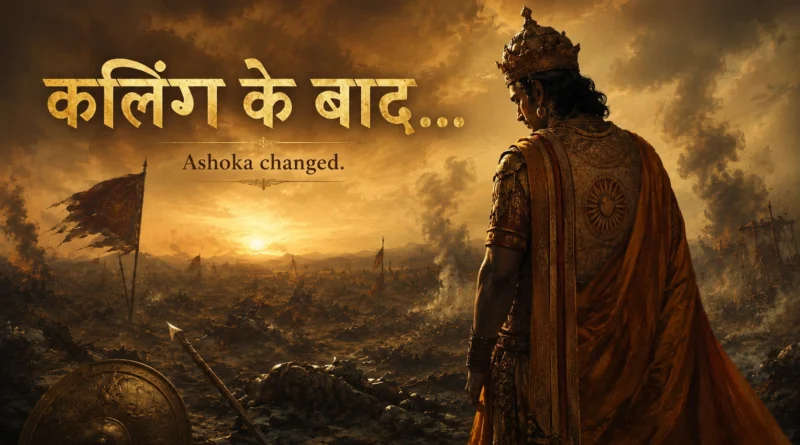
Ashoka — Kalinga के बाद एक आदमी बदल गया
Ashoka ने Kalinga जीत लिया था।
लेकिन battlefield देखने के बाद वही emperor अंदर से बदल गया।
यह सिर्फ history नहीं — power, regret और human transformation की story है।
— Team Kanchan Kalash | InnaMax News ✍️
कुछ rulers युद्ध जीतते हैं।
कुछ empire बनाते हैं।
लेकिन history में बहुत कम लोग हैं
जिन्होंने जीतने के बाद
खुद से डरना शुरू किया।
Ashoka शायद उनमें सबसे बड़ा नाम है।
हम school में पढ़ते हैं:
- Mauryan emperor
- Kalinga war
- Buddhism
- Ashoka Chakra
लेकिन textbook अक्सर
एक चीज़ quietly skip कर देती है।
Ashoka का असली transformation political नहीं था।
Psychological था।
और शायद इसी वजह से
उसकी कहानी आज भी disturb करती है।
Ashoka ने Kalinga जीता… फिर कुछ टूट गया
कल्पना कीजिए।
तीसरी century BCE।
Kalinga — आज का Odisha region —
Mauryan empire के सामने खड़ा था।
Ashoka already powerful था।
लेकिन Kalinga independent था।
फिर युद्ध हुआ।
Historical inscriptions और बाद की traditions suggest करती हैं कि:
- लाखों लोग प्रभावित हुए
- हजारों मारे गए
- families टूट गईं
- prisoners बनाए गए
लेकिन important बात numbers नहीं हैं।
Important यह है:
Ashoka ने aftermath देखा।
यहीं से
forgotten detail शुरू होती है।
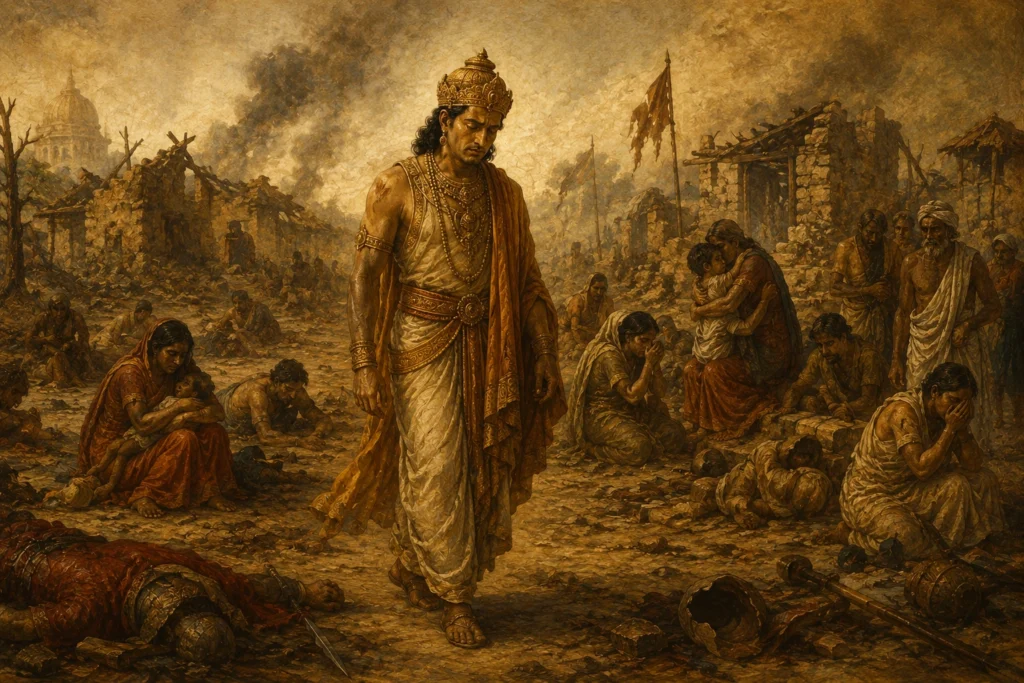
कई kings battlefield reports सुनते थे।
लेकिन Ashoka reportedly
devastation के बीच चला।
- Dead bodies
- रोते families
- Destroyed settlements
और फिर वही emperor
जिसने war order किया था…
suddenly उसे खुद अपनी जीत
unbearable लगने लगी।
यहीं से वह line आती है
जो Indian history की most haunting political lines में से एक मानी जाती है:
“Victory through Dharma is better than victory through war.”
यह सिर्फ spirituality नहीं थी।
यह शायद guilt भी था।
Kalinga के बाद भी Ashoka तुरंत नहीं बदला
यहीं popular storytelling थोड़ा simplify कर देती है।
Reality शायद ज्यादा complex थी।
Ashoka immediately monk नहीं बन गया।
Empire overnight peaceful नहीं हो गया।
लेकिन उसके inscriptions clearly दिखाते हैं कि:
- उसने violence पर rethink किया
- governance tone बदली
- welfare projects बढ़ाए
- ethical rulership emphasize किया
उसने roads, rest houses, medical support
और public welfare initiatives promote किए।
और सबसे interesting बात?
उसने सिर्फ Buddhism spread नहीं किया।
उसने repeatedly:
tolerance
की बात की।
Different sects और beliefs के बीच
respect encourage किया।
Third century BCE के ruler के लिए
यह surprisingly modern thought था।
कुछ historians मानते हैं कि:
Ashoka का transformation
partly political pragmatism भी था।
क्योंकि giant empire
सिर्फ fear से stable नहीं रहता।
लेकिन शायद truth
दोनों के बीच है।
यानी:
- guilt
- philosophy
- politics
- exhaustion from violence
…सबने मिलकर उसे बदला।
और शायद इसी वजह से
वह believable लगता है।
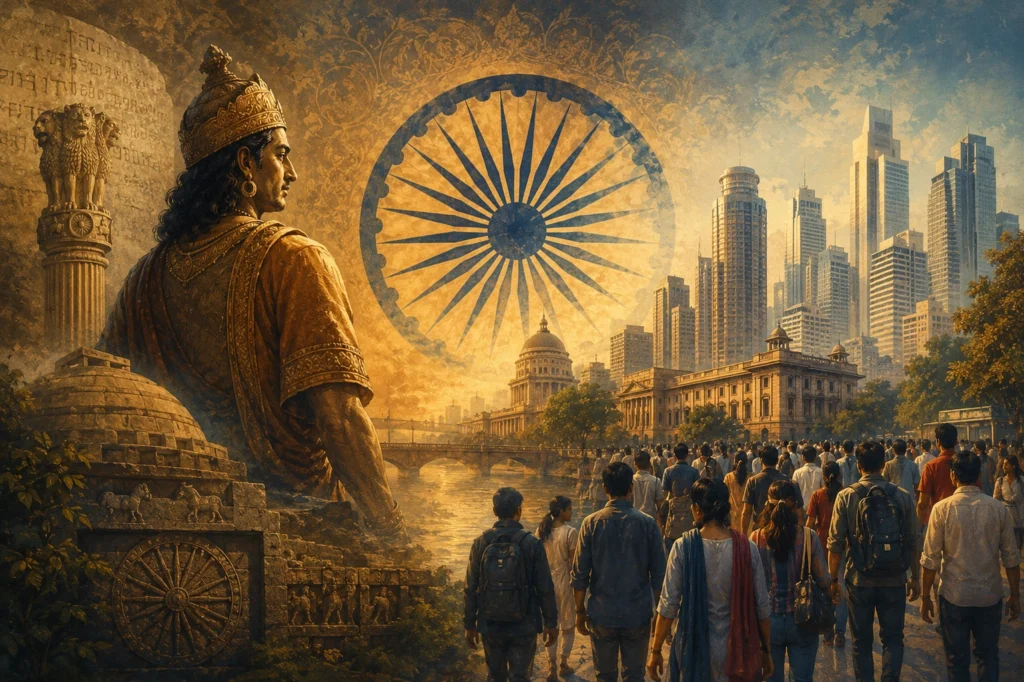
Ashoka की कहानी आज भी इतनी modern क्यों लगती है?
आज भी India:
- Ashoka Chakra use करता है
- Lion Capital national symbol है
- schools में Ashoka पढ़ाया जाता है
लेकिन interesting बात यह है:
हम अक्सर उसके empire को celebrate करते हैं…
उसके regret को नहीं।
और शायद वही
सबसे important हिस्सा था।
आज की दुनिया में:
- leaders rarely admit mistakes
- public life में empathy weakness मानी जाती है
- power अक्सर louder बनने को कहती है
Ashoka की story इसका opposite है।
उसने शायद पहली बार दिखाया कि:
“Strength सिर्फ जीतना नहीं…
रुककर खुद को question करना भी हो सकता है।”
GenZ India burnout, ambition, hustle culture
और constant competition के बीच grow कर रही है।
ऐसे समय में
Ashoka की कहानी strangely modern लगती है।
क्योंकि यह सिर्फ emperor की story नहीं।
यह उस moment की story है जब:
success suddenly hollow feel होने लगे।
Ashoka की सबसे बड़ी जीत शायद युद्ध नहीं थी
History usually
conquerors को remember करती है।
लेकिन Ashoka को शायद इसलिए याद रखा गया
क्योंकि उसने conquest के बाद
direction बदल दी।
उसने empire बनाया — yes।
लेकिन शायद उससे भी rare काम यह था:
उसने publicly change होने की हिम्मत दिखाई।
और शायद यही uncomfortable question
उसकी कहानी आज भी पूछती है:
अगर power, victory, success
सब मिल जाए…
और फिर भी अंदर silence ना आए…
तो क्या हम सच में जीत रहे हैं?
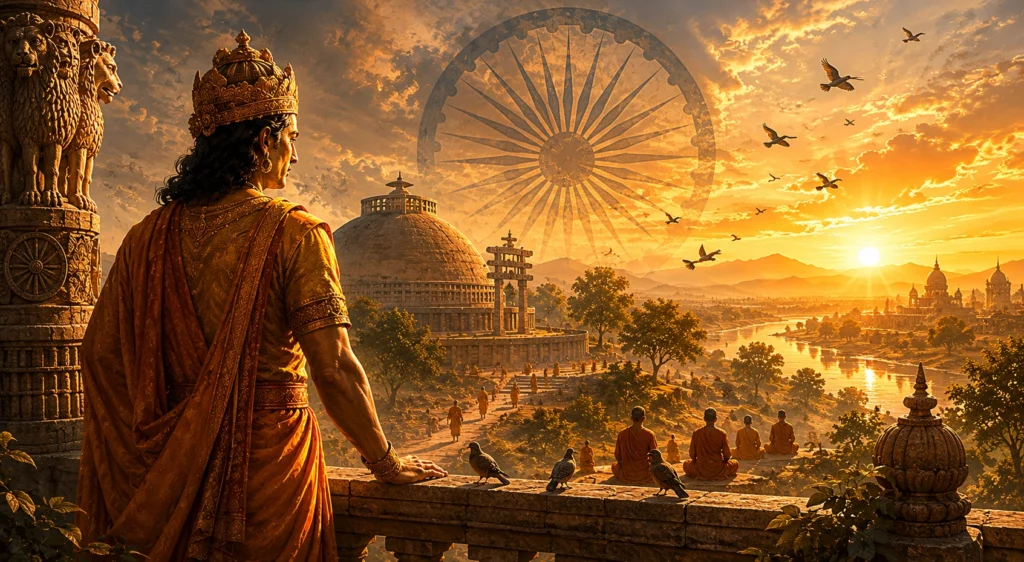
क्या जीतने के बाद भी इंसान अंदर से हार सकता है?
क्या history सिर्फ जीतने वालों को याद रखती है… या बदलने वालों को भी?
क्या Ashoka का transformation आज की दुनिया में भी relevant लगता है?
और honestly —
क्या modern life में रुककर खुद को question करना अब rare होता जा रहा है?
Comment करके बताइए।
यह भी पढ़ें:
वो गणित जो दुनिया ने लिया, पर श्रेय नहीं दिया
इतिहास बोलता है: क्या भारत कभी आक्रांता था?
चुप कराया गया इतिहास अब बोलेगा | Itihas Speaks
चाणक्य: वो दिमाग जिसने एक Empire बनाया — और फिर सत्ता छोड़ दी
Rani Lakshmibai: उन्होंने तलवार उठाई… क्योंकि खोने के लिए सब कुछ था