India में Kabaddi — क्यों एक देसी Game इतनी बड़ी Industry बन गई
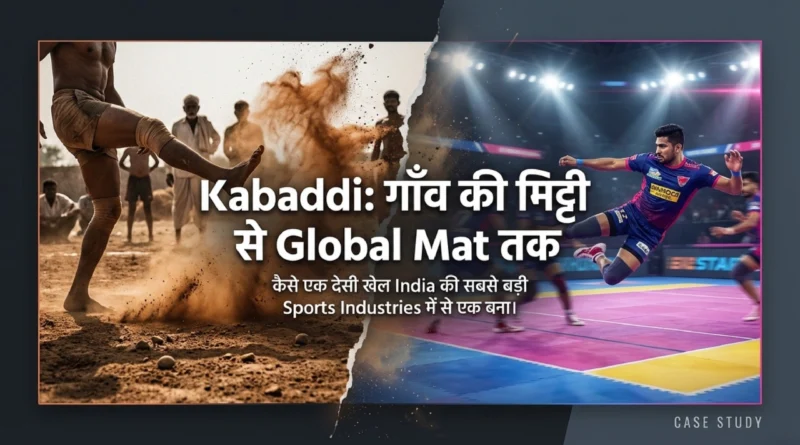
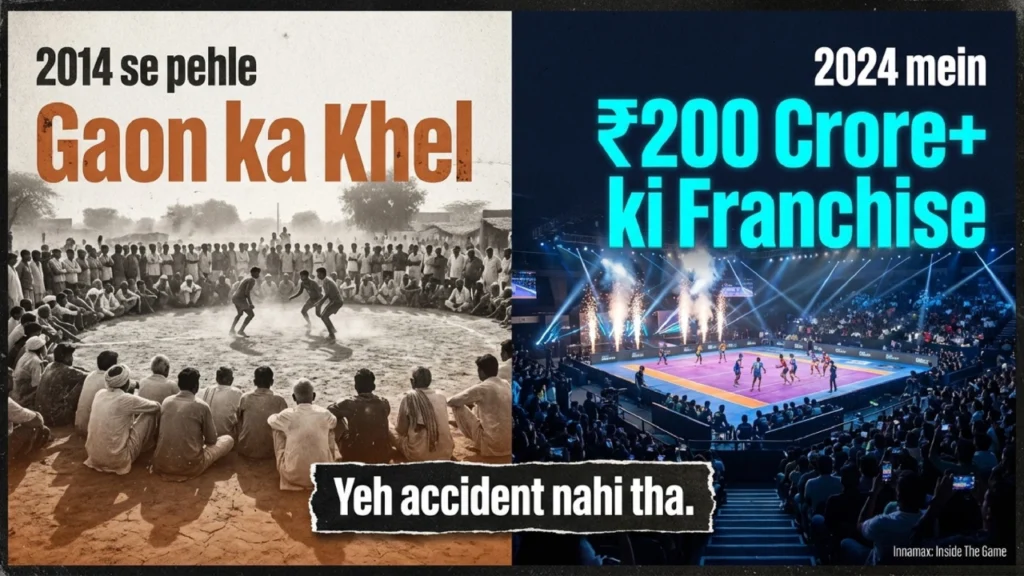
2014 से पहले Kabaddi एक गाँव का खेल था।
आज उसकी franchise ₹200 करोड़+ की industry है।
यह कोई accident नहीं है।
यह एक carefully built business story है — जहाँ sports, money, media और Indian identity एक साथ आए।
और जिसकी पूरी कहानी ज़्यादातर लोग surface से ही जानते हैं।
आज उसी story को अंदर से समझते हैं।
Kabaddi थी क्या — शुरुआत से समझो
Kabaddi भारत के सबसे पुराने contact sports में से एक है।
कोई expensive equipment नहीं।
कोई gear नहीं।
बस एक मैदान, दो teams — और एक raider जो सांस रोककर opponent half में घुसता है।
यह game centuries पुरानी है:
- Maharashtra में — “Hu Tu Tu”
- Tamil Nadu में — “Sadugudu”
- Punjab में — “Kabaddi”
1936 Berlin Olympics में इसे demonstration sport के रूप में दिखाया गया।
1990 Asian Games में officially include किया गया।
लेकिन mainstream popularity?
वो नहीं मिली।
Cricket के shadow में Kabaddi एक rural, regional game बनी रही —
जब तक Pro Kabaddi League नहीं आई।
PKL ने क्या किया — System कैसे बदला?
2014 में Mashal Sports और Star Sports ने मिलकर Pro Kabaddi League (PKL) launch की।
और यहीं से game बदल गया।
Model IPL से inspired था:
- Franchise-based structure
- City representation
- Television-first packaging
- High production value
Patna Pirates, U Mumba, Jaipur Pink Panthers —
नाम deliberately aspirational रखे गए।
Star Sports ने इसे primetime में broadcast किया।
पहले ही season में reportedly 400+ million viewers ने देखा।
Cricket के बाद India में यह सबसे बड़ा sports viewership moment बन गया।
Brands ने notice किया।
Investors ने notice किया।
Urban audience ने notice किया।
Kabaddi गाँव से निकलकर living rooms तक पहुँच गई।
यह भी पढ़ें: Indian Football का Problem — पैसा है, Progress क्यों नहीं?
पैसा कहाँ से आता है — Economics समझिए
PKL की economics तीन pillars पर खड़ी है:
Broadcasting Rights
Sports leagues की सबसे बड़ी revenue source broadcasting deals होती हैं।
Star Sports (और बाद में Disney Star ecosystem) ने PKL को aggressively promote किया।
हर season के साथ rights valuation बढ़ती गई।
Franchise Fees + Sponsorship
Franchise ownership करोड़ों में होती है।
Title sponsor, jersey sponsor, associate sponsor — multiple revenue streams।
यह model IPL से adapted है — but scaled to Kabaddi.
Player Auctions
हर season auction होती है।
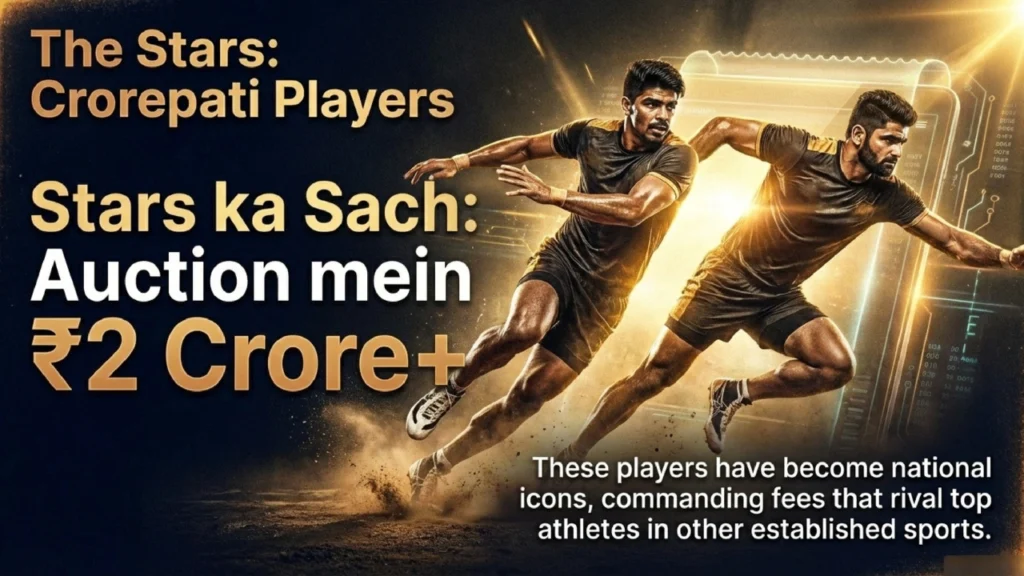
Season 9 में total purse ₹90 करोड़+ था।
Pawan Sehrawat जैसे star players ₹2 करोड़+ में bid हुए।
याद रखिए —
यह वही sport है जो कभी बिना prize money के खेली जाती थी।
Players की असली तस्वीर — Glamour बनाम Reality
PKL ने Kabaddi players की ज़िंदगी बदली है —
लेकिन तस्वीर layered है।
Top Tier Players
- Pardeep Narwal
- Pawan Sehrawat
- Fazel Atrachali
ये करोड़ों में बिकते हैं।
Brand endorsements और social media presence build कर चुके हैं।
Mid-Tier & New Players
- Minimum bid लगभग ₹20 लाख
- Retention guarantee नहीं
- Career span short
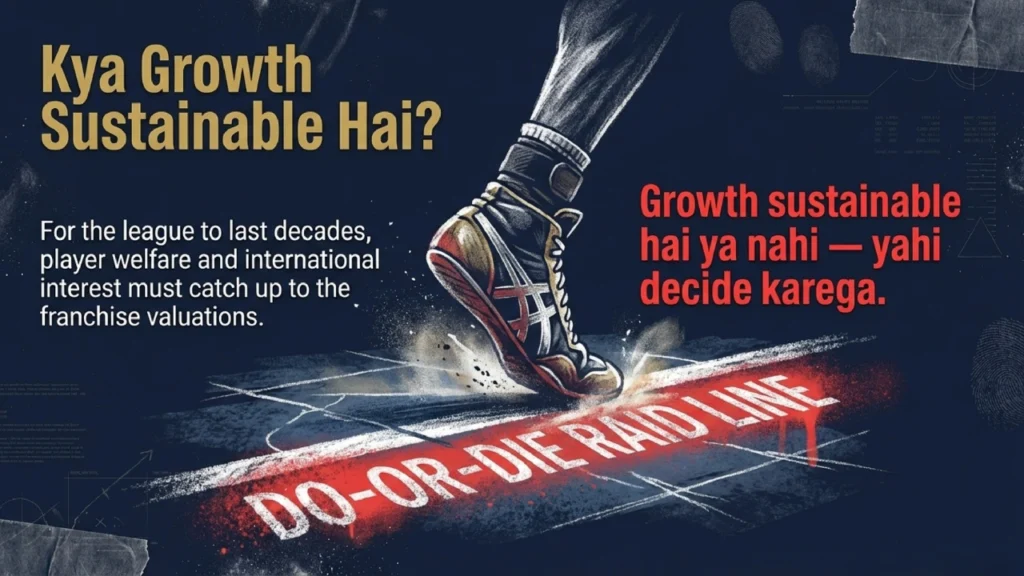
Infrastructure अभी भी uneven है।
Grassroots academies limited हैं।
— और यही भारत के Indian sports system की structural reality को दिखाता है।
System ने stars बनाए हैं।
लेकिन average player के लिए career in sports अभी भी stable और predictable नहीं है।
Kabaddi की असली ताकत — Indian Identity
PKL की success सिर्फ business story नहीं है।
यह identity story भी है।
Cricket aspirational है।
Kabaddi emotional है।
- Imported equipment नहीं
- Foreign dependency नहीं
- Purely desi roots
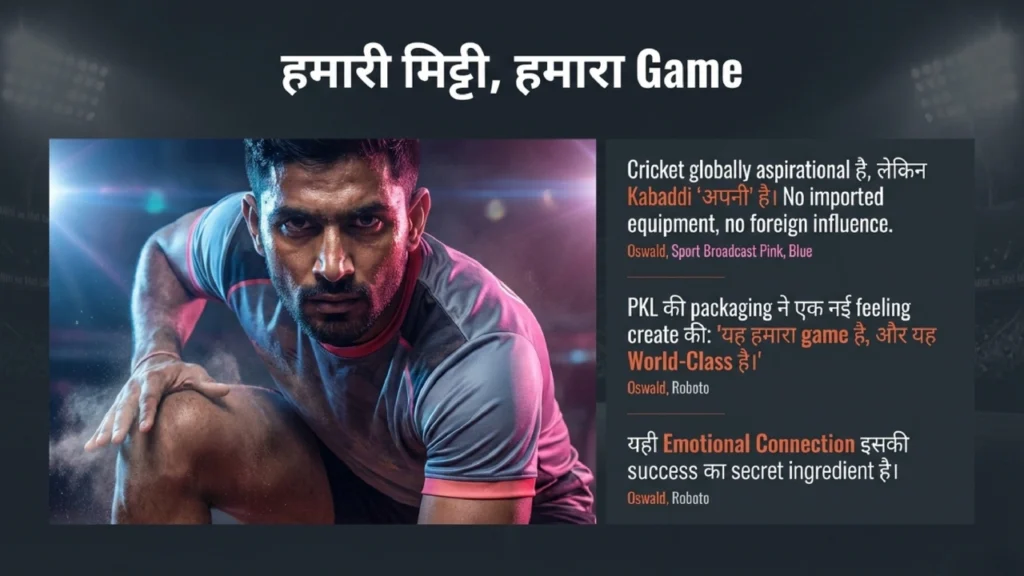
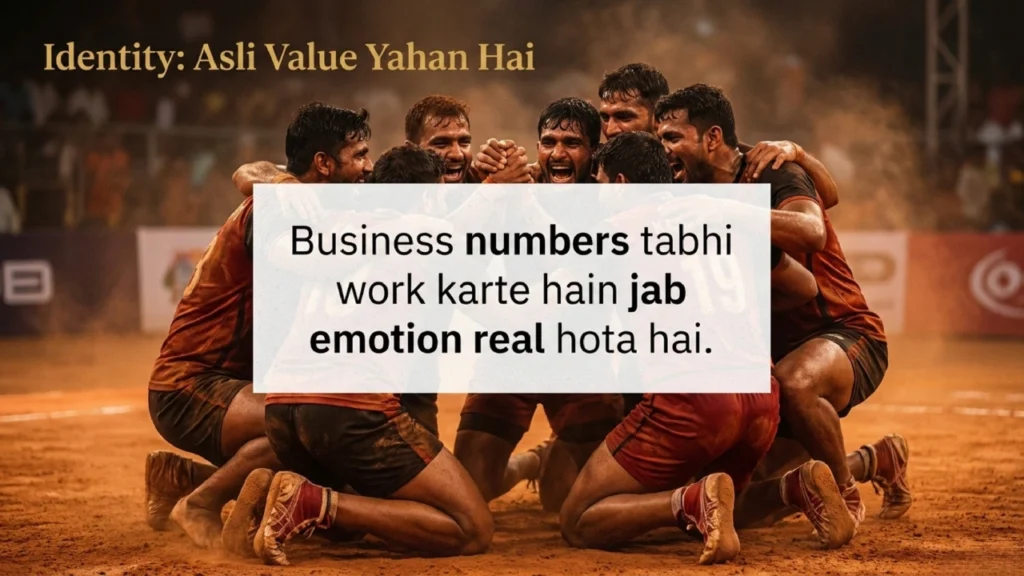
जब PKL ने इसे lights, commentary, analytics और entertainment packaging के साथ present किया —
तो एक powerful narrative बना:
“यह हमारा game है।
और यह world-class है।”
यही emotional capital इसकी असली strength है।
आगे क्या — Industry कहाँ जाएगी?
Kabaddi अब international expansion की तरफ देख रहा है:
- Iran
- South Korea
- Kenya
Asian Games में Kabaddi consistently India के लिए medals लाता है।
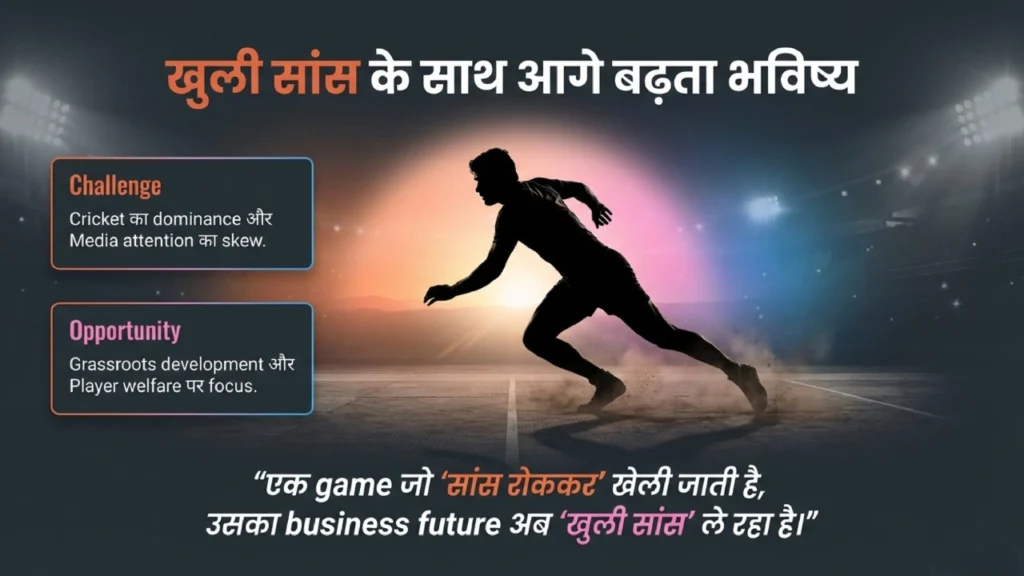
लेकिन challenges clear हैं:
- Cricket dominance
- Sponsor concentration
- Limited grassroots ecosystem
अगर अगले 5–10 सालों में focus होगा:
- Player welfare
- Rural academy network
- International tournaments
- Media consistency
तो Kabaddi sustainable growth model बन सकती है।
Related Reads
- 👉 Indian sports system कैसे काम करता है — funding, federation और politics की असली कहानी
- 👉 Career in sports: India में athlete बनकर पैसा कैसे कमाते हैं?
- 👉 IPL vs PKL — कौन सा league ज्यादा profitable है?
- 👉 Grassroots sports development India में क्यों slow है?
Is Pro Kabaddi League profitable?
PKL IPL-style franchise model पर चलता है. Revenue broadcasting rights, sponsorships और franchise fees से आता है. Exact profit numbers public नहीं होते, लेकिन यह India की biggest non-cricket sports leagues में से एक बन चुका है.
How much do Kabaddi players earn in PKL?
Top players ₹1–2 crore तक कमा सकते हैं per season. Base price लगभग ₹20 lakh से शुरू होता है. लेकिन हर season retention guaranteed नहीं होता — performance बहुत important है.
Can Kabaddi be a stable career in India?
Yes, लेकिन अभी fully stable ecosystem नहीं बना है. Top tier athletes अच्छा earn करते हैं, लेकिन mid-level players को consistency challenge रहता है. Long-term growth depend करती है infrastructure और league expansion पर.
Why did Kabaddi become popular after 2014?
2014 में PKL launch हुआ with strong TV backing, primetime slots और city-based teams. Professional packaging ने Kabaddi को rural sport से prime entertainment product बना दिया.
Final Word
Kabaddi सिर्फ एक league नहीं है।
यह proof है कि अगर packaging, media strategy और investment सही हो — तो एक देसी खेल भी ₹200 करोड़ की industry बन सकता है।
लेकिन अगला level glamour से नहीं आएगा।
वह आएगा system, structure और sustainable careers से।
Kabaddi ने दौड़ना शुरू कर दिया है।
अब देखना है — क्या Indian sports ecosystem इसके साथ दौड़ पाएगा?
— ✦ —
क्या आप PKL देखते हैं?
आपकी favourite team कौन सी है — और क्या Kabaddi cricket को challenge कर सकती है?
Comments में बताइए 👇